
Chaharshanbe Suri: The Fire Festival of Iran Explained
What is Chaharshanbe Suri?
Chaharshanbe Suri, meaning “Red Wednesday” or “Scarlet Wednesday,” is one of Iran’s most beloved ancient celebrations. This Persian fire festival takes place on the last Tuesday evening before Nowruz (Persian New Year), marking the transition from darkness to light as winter gives way to spring.
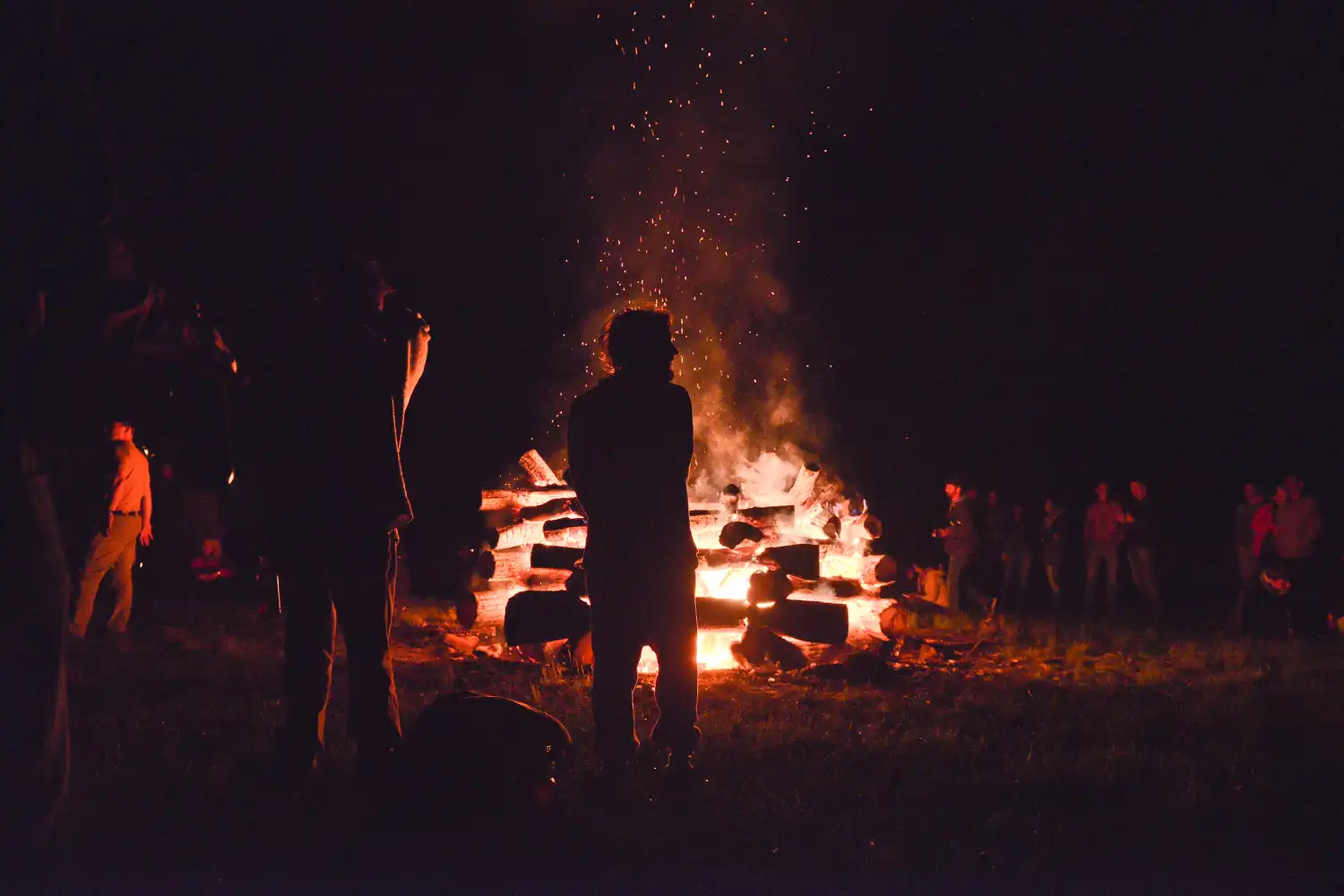
For thousands of years, Iranians have gathered around bonfires to jump over flames, believing this ritual cleanses them of the past year’s misfortunes and prepares them for renewal. It’s a night filled with laughter, fire, music, and centuries-old traditions that connect modern Persians to their Zoroastrian roots.
” Read more About Persian Culture ”
The Origins of the Persian Fire Festival

The roots of Chaharshanbe Suri stretch back over 3,000 years to ancient Persia‘s Zoroastrian era. Fire held sacred significance in Zoroastrianism, symbolizing purity, light, and the triumph of good over evil.
The festival honors Azar (fire) and celebrates the victory of warmth and life over cold and death. While its religious origins have evolved, the cultural significance remains strong among Iranians worldwide, regardless of their faith.
What Happens During the Festival
Fire Jumping: The Heart of the Celebration
The most iconic chaharshanbe suri tradition is fire jumping. People light bonfires in streets, parks, and courtyards, then leap over the flames while chanting:
“Zardie man az to, sorkhie to az man”
(“My yellowness (sickness/problems) to you, your redness (health/energy) to me”)
This ritual symbolizes:
- Burning away illness and bad luck
- Absorbing the fire’s warmth and vitality
- Spiritual purification before the new year
Spoon Banging (Qashoq Zani)
In a tradition similar to Halloween, young people disguise themselves in chadors or scarves and go door-to-door banging spoons against pots and bowls. Neighbors give them treats like nuts, sweets, or fruits. This practice represents the removal of bad spirits and the sharing of abundance.
Fortune Telling and Divination
Many families practice fal-gush (ear fortune), where someone stands at a crossroads listening to passersby’s conversations for clues about their future. Others use poetry books likeThe Divān of Hafez to seek guidance for the coming year.
Ajil-e Moshkel-Gosha (Problem-Solving Nuts)
Families prepare special mixed nuts and dried fruits called Ajil-e Moshkel-Gosha, believed to help solve problems when shared with neighbors. Making a wish while eating these treats is thought to bring good fortune.
How Chaharshanbe Suri is Celebrated Today
While traditional chaharshanbe suri fire jumping continues in Iran and among Persian diaspora communities worldwide, modern celebrations have adapted:
- Safety measures: Smaller, controlled bonfires in designated areas
- Community gatherings: Parks and cultural centers host organized events
- Family celebrations: Private gatherings with traditional foods and music
- Virtual connections: Iranians abroad connect with family through video calls
Cities like Los Angeles, Toronto, and London see large Persian communities celebrating together, keeping the tradition alive for younger generations.
Why This Persian Fire Festival Still Matters
Chaharshanbe Suri represents more than jumping over fire it’s about:
Cultural identity: Connecting Iranians to their 3,000-year heritage
Community bonds: Bringing families and neighbors together
Optimism and renewal: Starting the new year with hope and positivity
Joy and celebration: Finding light even in difficult times
The festival’s survival through centuries of political and social change demonstrates the resilience of Persian culture and the universal human need for rituals that mark transitions and celebrate life.
FAQ About Chaharshanbe Suri
Q: When is Chaharshanbe Suri celebrated?
A: Chaharshanbe Suri is celebrated on the last Tuesday evening before Nowruz, which falls on the spring equinox (usually March 19-21). The exact date varies each year.
Q: Is chaharshanbe suri fire jumping safe?
A: When done with proper precautions small fires, adult supervision, safe distances, and fire extinguishers nearby it’s relatively safe. Many communities now organize supervised events.
Q: What does Chaharshanbe Suri mean?
A: “Chaharshanbe” means Wednesday in Persian, and “Suri” means red or scarlet. It’s called this because it’s celebrated on Tuesday evening, technically the eve of the last Wednesday before Nowruz.
Q: Do all Iranians celebrate this Persian fire festival?
A: While widely celebrated, observance varies by region, personal preference, and religious views. Many Iranians worldwide maintain this tradition as a cultural, rather than religious, celebration.
Experience the Magic of Persian Fire Festival
Chaharshanbe Suri reminds us that some traditions transcend time, connecting us to our ancestors while bringing communities together in celebration. Whether you’re Persian or simply curious about world cultures, this vibrant festival offers a beautiful example of how fire, hope, and renewal can illuminate even the darkest nights.
Ready to celebrate? If you have Persian friends or neighbors, ask them about their Chaharshanbe Suri plans; they’ll likely welcome you to join in this joyful tradition. And if you’re organizing your own celebration, remember: it’s not just about the fire, it’s about the warmth of community and the promise of new beginnings.