0 Results Found
persian rugs
Authentic Persian Rugs — From Iranian Hands to Your Home
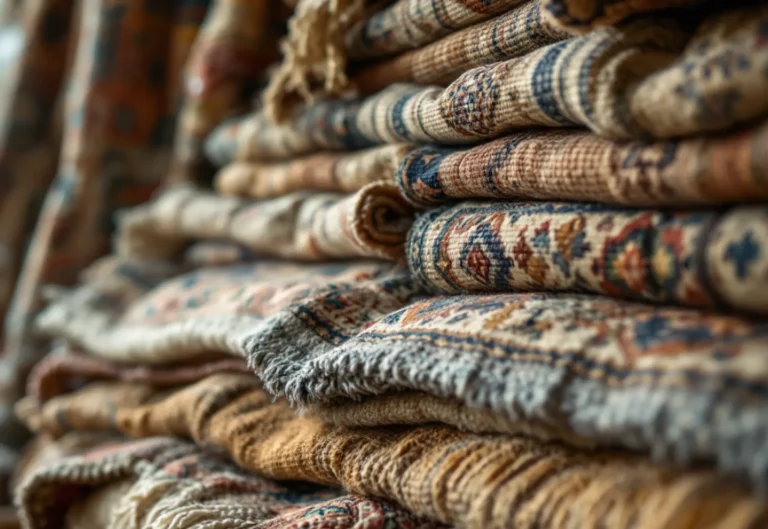
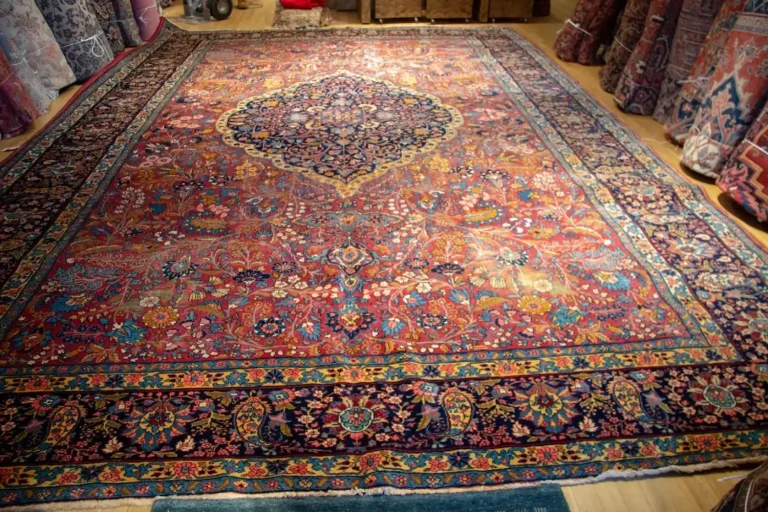
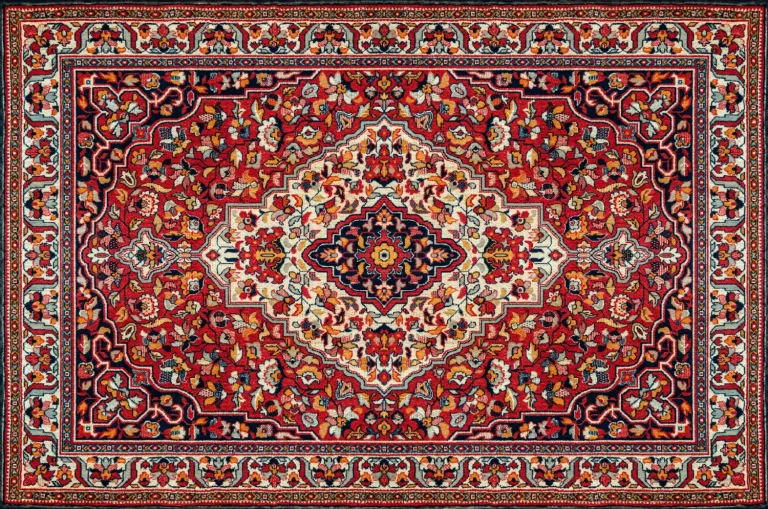
A real Persian rug isn't a floor covering. It's a piece of Iran — woven knot by knot over months or years, signed by a weaver, and built to outlive the person who buys it.
The Iranian Business Center connects you directly with verified Persian rug dealers, weavers, restorers, and appraisers across the United States — so when you buy a Tabriz, Isfahan, Kashan, Nain, or Qom rug, you know exactly what you're getting, who you're buying from, and what it's worth.
Why Buy from a Verified Iranian Rug Dealer (Not a Chain Store)
The U.S. rug market is flooded with imitations — machine-made carpets from Turkey, India, and China sold as "Persian-style." A real Persian rug has three things a fake can never replicate:
- Origin — woven in a specific Iranian city or village with documented tradition
- Hand-knotting — typically 120–800 knots per square inch, tied by a human, not a machine
- Material integrity — pure wool, silk, or wool-silk blend dyed with traditional methods
Iranian dealers in our directory understand this. Most are second- or third-generation rug merchants whose families have traded carpets for decades. They appraise honestly, restore properly, and price fairly — because their reputation in the Persian community depends on it.
The Major Persian Rug Styles (Know What You're Buying)
| Region | Known For | Typical Knot Density | Best For |
|---|---|---|---|
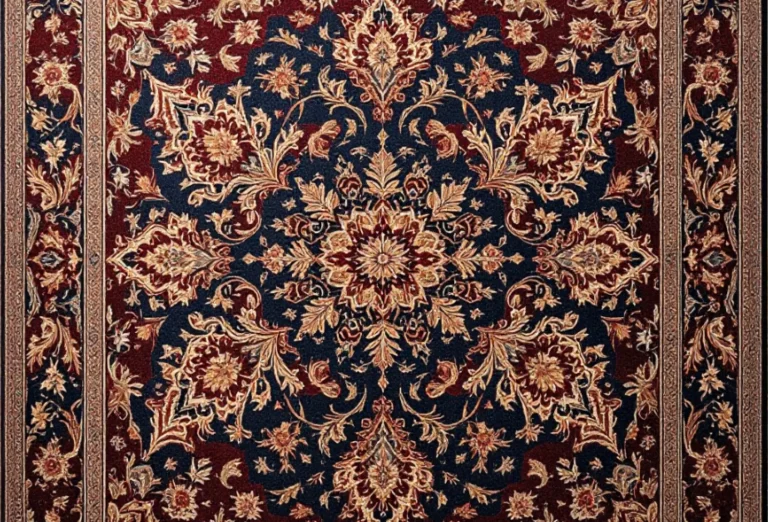
| Tabriz | Symmetrical medallions, fine detail, durability | 200–500 KPSI | Living rooms, statement pieces |
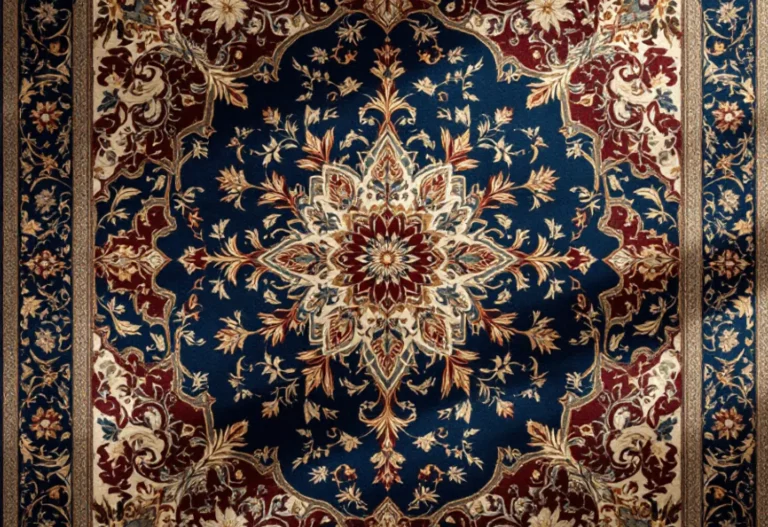
| Isfahan | Silk + wool blends, ivory backgrounds, intricate florals | 400–800 KPSI | Formal spaces, collectors |
| Kashan | Deep reds, dense central medallions, classical patterns | 150–400 KPSI | Traditional interiors |
| Nain | Soft blues & ivory, fine wool with silk highlights | 300–700 KPSI | Modern + classic homes |
| Qom | Pure silk, prayer designs, hunting scenes | 500–1,000 KPSI | Investment + wall display |
| Kerman | Pastel palettes, large floral compositions | 120–300 KPSI | Large rooms, soft aesthetics |
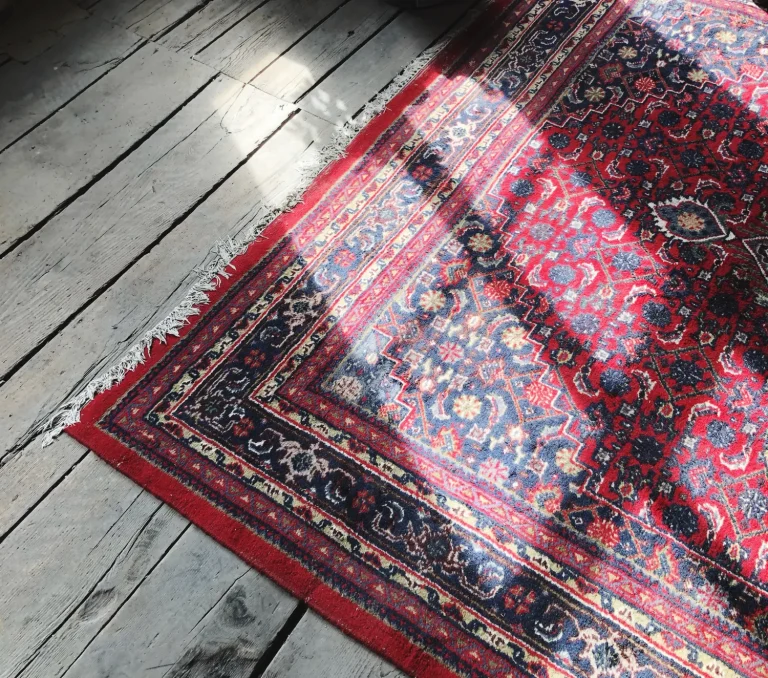
| Heriz | Bold geometric medallions, rust + navy, very durable | 80–150 KPSI | Family rooms, high-traffic areas |
| Bakhtiari | Tribal "garden" panels, earth tones, thick wool | 100–200 KPSI | Rustic + casual interiors |
Each style carries a different value, lifespan, and aesthetic. The dealers in our directory can walk you through which fits your room, budget, and intent — whether that's daily use or long-term investment.
What Persian Rug Specialists in Our Directory Offer
Sales — New & Antique
From entry-level Heriz runners to museum-grade Isfahan silks. Most dealers offer in-home viewing, trade-ins, and certificates of origin.
Appraisals & Authentication
Insurance appraisals, estate evaluations, and authenticity verification — essential for inherited rugs or major purchases. Look for dealers with CRA (Certified Rug Appraiser) or RugBookⓇ certification.
Restoration & Repair
Re-fringing, edge binding (overcasting), pile restoration, hole repair, and color correction. A well-restored Persian rug can recover 60–90% of its market value.
Hand-Washing
Persian rugs should never go through commercial steam cleaning. Our directory's specialists use traditional hand-washing methods that preserve dye integrity and wool lanolin.
Estate & Auction Services
Some listed dealers handle full estate liquidations, consignment, and private auctions for high-value collections.
How to Spot a Real Persian Rug in 60 Seconds
Use these five checks before buying anywhere — including from us:
- Flip it over. The pattern should be nearly as clear on the back as the front. Machine-made rugs have a uniform, grid-like back.
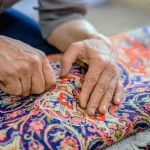
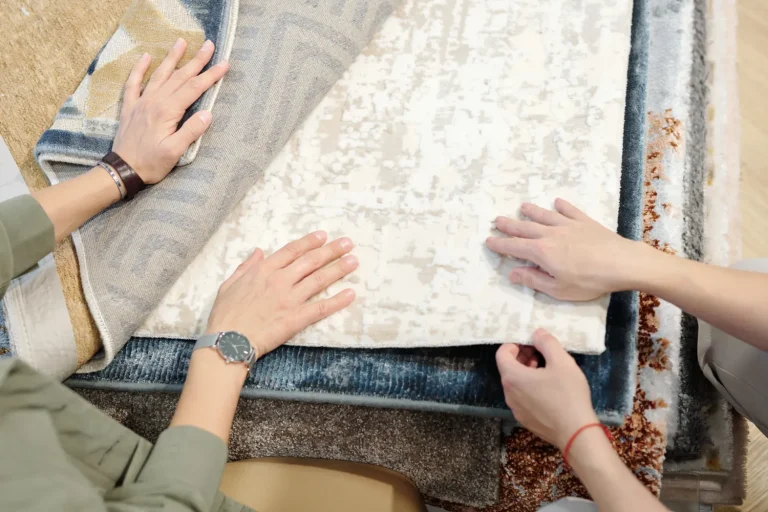
- Check the knots. Hand-knotted rugs have slight irregularities. Run your finger across — you should feel individual knots, not a smooth weave.
- Look at the fringe. It should be a continuation of the rug's foundation warp threads, not sewn or glued on.
- Examine the colors. Natural dyes show subtle variations (called abrash) — a feature, not a flaw. Perfectly uniform color often signals synthetic dyes.
- Ask for origin documentation. Reputable dealers provide written provenance — city of origin, approximate age, materials, and knot count.
Every dealer in this directory commits to providing this information in writing.
Persian Rug Price Guide
Pricing varies by size, age, region, material, and condition. General ranges for authentic hand-knotted rugs:
| Size | Entry Level (Heriz, Hamadan) | Mid-Range (Kashan, Tabriz) | Investment Grade (Isfahan, Qom Silk) |
|---|---|---|---|
| 3' × 5' | $400 – $1,200 | $1,500 – $4,000 | $5,000 – $25,000+ |
| 6' × 9' | $1,200 – $3,500 | $4,000 – $12,000 | $15,000 – $80,000+ |
| 9' × 12' | $2,500 – $7,000 | $8,000 – $25,000 | $30,000 – $200,000+ |
If a dealer offers a "9×12 silk Qom for $1,500," it isn't silk and it isn't from Qom. Use our verified directory to avoid these traps.
Why the Iranian Business Center Is Different
- Verified Iranian Ownership — Every listed dealer is confirmed Iranian-owned or Persian-operated.
- Direct-to-Dealer — No middleman markups, no franchise fees, no inflated pricing.
- Built for 2026 Search — Each listing is schema-tagged for Google Maps, AI Overviews, ChatGPT Search, and Perplexity.
- Community Accountability — Dealers know their reputation in the Persian-American community depends on honest dealing.
- Cross-City Discovery — Find Persian rug dealers in Los Angeles, New York, Houston, Atlanta, Dallas, Washington D.C., and beyond — all in one place.
Frequently Asked Questions
Q1: What makes a rug "Persian" vs. "Oriental"? "Oriental" is a broad category covering any hand-knotted rug from Asia. "Persian" specifically means hand-knotted in Iran. All Persian rugs are Oriental — but most Oriental rugs are not Persian.
Q2: Are Persian rugs a good investment? High-quality Tabriz, Isfahan, and Qom silk rugs have historically appreciated 3–7% annually, with rare antique pieces appreciating much faster. Mid-range rugs hold value but don't appreciate dramatically. Treat most Persian rugs as durable heirlooms first and investments second.
Q3: How can I tell if a rug is hand-knotted or machine-made? Flip the rug over. Hand-knotted rugs show slight knot irregularities and a pattern visible on the back. Machine-made rugs have a perfectly uniform grid and often a glued backing.
Q4: How often should I clean a Persian rug? Vacuum weekly (no beater bar), rotate every 6 months, and professionally hand-wash every 3–5 years. Never use steam cleaners, harsh detergents, or commercial carpet shampoo.
Q5: Can I buy Persian rugs directly imported from Iran? U.S. sanctions impact direct imports. Most legitimate U.S. dealers sell rugs imported before sanctions tightened, from estate collections, or sourced through third-country markets. Reputable dealers will explain provenance transparently.
Q6: How do I get a Persian rug appraised? Use a certified appraiser — preferably one with CRA certification or recognized industry credentials. Several specialists in this directory offer written appraisals for insurance, estate, or resale purposes.
Q7: What's the difference between silk and wool Persian rugs? Wool is durable, warmer, and better for floors. Silk is lustrous, intricate, and higher-value — typically used in display rugs, prayer rugs, or hung as wall art. Wool-silk blends offer balance.
Q8: Are Persian rugs safe for homes with pets and kids? Yes — well-made Persian rugs are remarkably durable and often outlast multiple generations of family use. Choose wool (not silk) for high-traffic areas. Heriz, Bakhtiari, and Hamadan styles are particularly forgiving.
From family-run rug houses in Los Angeles' "Tehrangeles" to specialist restorers in New York and appraisers in Washington D.C., the Iranian Business Center directory is the most complete map of Persian rug expertise in the United States.
Find your next rug — or restore the one your family has carried for generations.