Buy Persian Rug USA: What to Know First
What Makes a Persian Rug Authentic
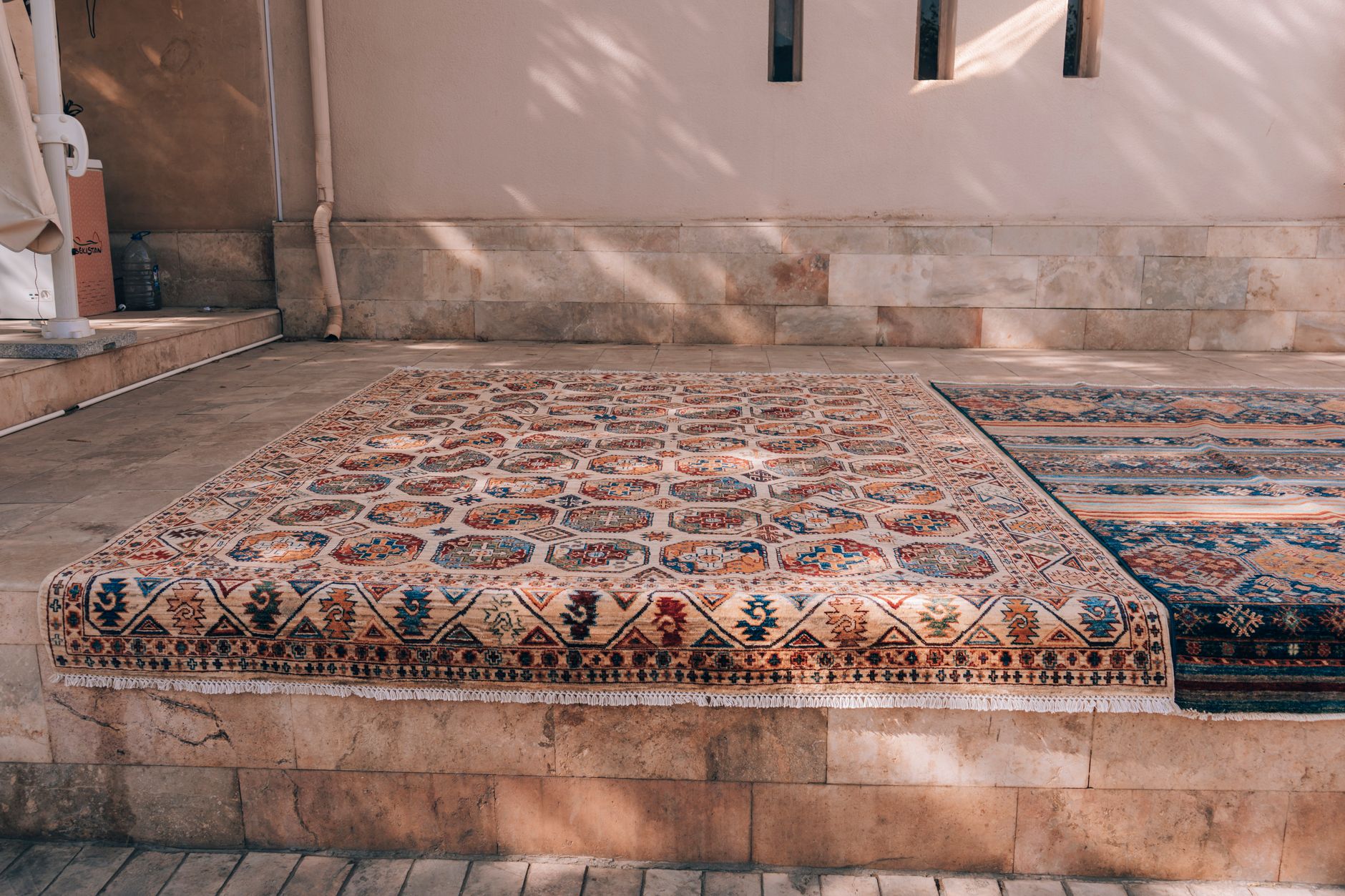
Quick Answer: An authentic Persian rug is hand-knotted by skilled artisans in Iran, typically using wool, silk, or a blend, and features asymmetrical knots, natural dye variations, and a soft backing that shows individual knot impressions. The term “Persian rug” has a specific geographic and craft-based meaning. Authentic Persian rugs originate from weaving regions across Iran, including Tabriz, Kashan, Isfahan, Qom, and Kerman, each producing recognizable patterns, pile heights, and knot densities. A Tabriz rug, for example, typically uses the Turkish double knot, while most other Iranian regions use the Persian single knot. These distinctions matter enormously to collectors and appraisers. One of the most reliable ways to verify authenticity is to examine the back of the rug. On a hand-knotted piece, the pattern on the reverse side is nearly as clear and detailed as the front, because every knot is tied individually around the warp threads. Machine-made rugs, by contrast, have a uniform, fabric-like back with no visible knot structure. Run your fingers across the back. If it feels like a canvas with tiny bumps in a regular grid, you are likely looking at something handmade. If it feels smooth and consistent like upholstery, walk away. Natural dyes are another hallmark of quality. Historically, Persian weavers used pomegranate rind, indigo, saffron, and walnut husks to achieve rich, layered colors. Even in 2026, many high-end Iranian weavers still use vegetable dyes, and the slight color variations you see across a field of red or blue, called abrash, are a sign of authenticity rather than a flaw. Synthetic dyes produce perfectly uniform color, which can actually signal a lower-quality piece to experienced buyers.How to Buy Persian Rug USA the Right Way
Quick Answer: To buy a Persian rug in the USA with confidence, shop from verified Iranian or Middle Eastern rug dealers, request a written certificate of authenticity, and compare at least three quotes before committing to any price. The U.S. Persian rug market is substantial.The global area rugs market was valued at $11.77 billion in 2024, with handmade rugs the fastest-growing segment and North America the largest regional market, according to Grand View Research. A significant portion of that demand flows through American dealers, particularly in cities with large Iranian American communities such as Los Angeles, New York, Washington D.C. and Houston. Knowing how to buy a Persian rug in the USA means knowing how to navigate this market without overpaying or being misled. Start by finding dealers with verifiable credentials. Members of ORRA agree to a code of ethics that includes accurate labeling, honest grading, and transparent pricing. Ask any dealer whether they are ORRA-affiliated or whether they carry rugs with certificates from established Iranian weaving cooperatives. Reputable sellers will never pressure you to buy on the spot. A genuine dealer understands that a $3,000 purchase deserves careful consideration, and they will welcome your questions rather than deflect them. Iranian-owned rug businesses in the USA often have a direct supply chain relationship with weavers in Iran, which means better provenance documentation and more accurate storytelling about each piece. Platforms like Iranian Business Center’s verified rug dealer directory make it easier to locate these specialists near you, rather than relying on generic furniture stores that may carry rugs as a side category. When you shop from a specialist with deep cultural ties to Persian weaving traditions, you benefit from that expertise at every step.Red Flags to Watch for When Shopping
Quick Answer: Avoid dealers who cannot provide written provenance, use vague terms like “Persian-style” or “Oriental-inspired,” or pressure you with time-limited discounts that seem unusually steep. Deceptive labeling is one of the most common problems shoppers face. Under U.S. Federal Trade Commission guidelines, a rug must be accurately described by its country of origin and construction method on any label or sales receipt. Terms like “Persian-style,” “handcrafted look,” or “Oriental design” are marketing language, not origin declarations. If a tag does not explicitly state “Hand-knotted, Made in Iran,” treat that rug as machine-made until proven otherwise. Mislabeling is common enough in the U.S. market that federal rules exist specifically to address it. Auction-style “going out of business” sales are another trap. Some rug retailers have been running perpetual closing sales for years, creating artificial urgency around pieces that have been in their inventory for months. The dramatic discount from a fictional original price is a psychological tactic, not a reflection of real market value. Always research comparable rugs on established auction platforms like Sotheby’s, Christie’s, or reputable online rug marketplaces before accepting a dealer’s stated value as fact. Ask specifically about repairs and restoration. A rug that has been re-piled, re-fringed, or had sections rewoven is not necessarily a bad purchase, but those interventions should be disclosed and reflected in the price. A dealer who presents a restored rug as fully original is misrepresenting the piece. Request that any known repairs be listed in writing on the sales receipt. This protects you if you ever choose to resell the rug or have it independently appraised. You can also consult Iranian home services professionals who specialize in interior work and can offer a second opinion on placement and condition assessments.Pricing, Maintenance, and Long-Term Value
Quick Answer: Persian rug prices in the USA range from around $500 for small tribal pieces to well over $100,000 for fine silk Qom rugs, and proper maintenance, including professional cleaning every two to three years, is essential to preserving that investment. Understanding pricing requires understanding the variables. Size, region of origin, knot density, age, condition, and rarity all influence value. A 9×12 hand-knotted wool Kashan rug in good condition might retail between $4,000 and $12,000 depending on the dealer. An equivalent machine-made piece might sell for $800. The gap exists for good reason. Skilled weavers in Iran can spend six months to two years completing a single room-sized rug, and that labor is reflected in the price. When you buy a Persian rug in the USA from a reputable source, you are paying for generational skill, not just square footage. Older rugs, sometimes called semi-antique (approximately 30 to 80 years old) or antique (80 years or older), can command premiums based on rarity. However, age alone does not equal value. A worn, moth-damaged antique rug may be worth less than a well-preserved piece from the 1990s. Have any rug you consider a significant investment appraised by a certified appraiser with credentials from the American Society of Appraisers (ASA) or the Appraisers Association of America (AAA) before finalizing your purchase. Maintenance is non-negotiable. Hand-knotted Persian rugs should be rotated every one to two years to ensure even wear from foot traffic and sunlight. Vacuuming without the beater bar preserves pile integrity. Professional washing by someone who specializes in hand-knotted textiles, rather than a general carpet cleaner, is recommended every two to three years. If you need trusted professionals for rug care, interior staging, or home styling around your new purchase, the Iranian local services directory connects you with vetted Persian professionals across the U.S. who understand the cultural value of these pieces.- Authentic Persian rugs are hand-knotted in Iran and feature a detailed reverse pattern, natural dye variations, and verifiable regional origin.
- Always request a written certificate of authenticity and verify that the sales receipt explicitly states “Hand-knotted, Made in Iran.”
- Avoid dealers who use vague “Persian-style” language, run perpetual closing sales, or cannot explain the provenance of specific pieces.
- Have any rug priced above $2,000 independently appraised by an ASA or AAA certified appraiser before completing the purchase.
- Proper care, including professional washing every two to three years and annual rotation, protects your investment and extends the rug’s life by decades.
Why Choose Iranian Business Center
Disclosure: Iranian Business Center is a business directory and digital marketing platform. The following section describes its services and is intended to help shoppers and business owners understand the resources available through the platform. Finding a trustworthy dealer is the single most important step in buying an authentic Persian rug in the USA. Iranian Business Center is a dedicated digital platform that lists and promotes verified Iranian-owned businesses across the United States, including rug dealers, home service providers, and professional appraisers. Every listing goes through a review process designed to surface legitimate, community-connected businesses rather than generic retailers with no cultural expertise. Whether you are a shopper searching for a reliable source or an Iranian rug dealer looking to grow your customer base in 2026, the platform offers real value on both sides of the transaction.- Verified Rug Dealer Directory: Browse authenticated Iranian rug dealers near you, complete with business details, reviews, and contact information, so you shop with confidence rather than guesswork.
- Iranian Professional Network: Access verified Iranian professionals including appraisers, interior designers, and consultants who understand the Persian rug market from the inside out.
- Persian Stores and Specialty Shops: Explore a broader range of Persian specialty stores across the U.S. for complementary home decor, gifts, and cultural goods.
- SEO Visibility for Business Owners: Iranian rug dealers and related businesses gain meaningful digital visibility through optimized listings that surface in local and national search results in 2026.
- Community-Driven Trust: Iranian Business Center is built around a mission of connecting the Iranian American community, which means shoppers benefit from businesses that carry genuine cultural expertise and personal accountability.
Are you an Iranian rug dealer or home services professional? List Your Business and Get Discovered by Thousands of Iranian Customers who are actively searching for authentic products and trusted expertise right now.
Frequently Asked Questions
How can I tell if a Persian rug is hand-knotted or machine-made?
Flip the rug over and examine the back. A hand-knotted Persian rug will show a nearly mirror-image of the front pattern on the reverse side, with visible individual knot impressions that feel slightly uneven to the touch. The fringe on a genuine hand-knotted rug is an extension of the warp threads, meaning it grows directly out of the rug body rather than being sewn or glued on. Machine-made rugs typically have a smooth, fabric-like back with no visible knot structure, and their fringe is almost always sewn on as a separate element. When in doubt, ask the dealer to show you the backing under good lighting before you commit.What is a fair price range to buy a Persian rug in the USA in 2026?
Prices vary widely based on size, origin, age, knot density, and condition. Small tribal or village rugs (approximately 3×5 feet) from regions like Gabbeh or Shiraz can start around $400 to $800. Medium-sized room rugs (6×9 to 8×10 feet) from reputable weaving centers like Kashan or Tabriz generally range from $2,500 to $15,000 depending on quality. Fine silk rugs from Qom or Isfahan can exceed $50,000 for larger sizes. If a dealer is offering a seemingly high-quality large Persian rug for under $1,000, that should prompt serious scrutiny. Always compare prices across at least three sources before making a decision.Are Persian rugs a good investment in 2026?
High-quality, well-maintained Persian rugs have historically held or increased in value over time, particularly antique and semi-antique pieces from prestigious weaving regions. According to data referenced by Sotheby’s and Christie’s auction records, rare antique Persian rugs have sold for multiples of their purchase price over holding periods of 20 to 30 years. However, not every Persian rug appreciates in value. Mass-produced pieces from the 1980s and 1990s, even if hand-knotted, are less likely to see meaningful appreciation. For investment purposes, focus on rugs with documented provenance, high knot density, natural dyes, and condition that has been independently verified by a certified appraiser.What questions should I ask a dealer before buying?
Ask the dealer to confirm the rug’s country of origin and weaving region in writing. Request information on the approximate age and whether any repairs or restorations have been made. Ask whether the dyes are natural or synthetic and whether the dealer can provide any documentation from the original weaver or importer. Inquire about return and exchange policies, which reputable dealers are generally willing to put in writing. Finally, ask whether the stated price is negotiable and what it is based on, as a knowledgeable dealer should be able to explain their pricing rationale by referencing knot density, regional market comparables, or auction precedents.How do I find a trustworthy Iranian rug dealer near me in the USA?
Start with community-based platforms that specialize in connecting buyers with Iranian-owned businesses. The Iranian Business Center rug dealer directory lists verified dealers across the U.S. with business details and contact information. You can also look for ORRA-member dealers in your area, ask for referrals from interior designers who specialize in traditional or transitional home styling, or consult appraisers who can point you toward dealers they trust based on professional experience. Avoid purchasing Persian rugs at general estate sales, flea markets, or online marketplaces without first verifying the seller’s credentials and return policy.Can I negotiate the price when buying a Persian rug?
Yes, negotiation is standard practice in the Persian rug market and most experienced dealers expect it. A reputable dealer will have some flexibility built into their asking price, particularly for higher-value pieces. Come prepared with comparable pricing data from auction records or other dealers, and avoid accepting the first price offered without at least asking whether there is any flexibility. That said, be cautious of dealers who immediately offer dramatic discounts of 40 to 60 percent, as this often signals the original price was inflated to begin with. Healthy negotiation typically lands somewhere between 5 and 20 percent below the asking price for a legitimate transaction.What maintenance does a Persian rug need to retain its value?
Rotate the rug every one to two years to equalize exposure to foot traffic and sunlight, both of which cause uneven wear and fading. Vacuum regularly using a suction-only setting without the beater bar, as the rotating brush can damage hand-knotted pile over time. Address spills immediately by blotting rather than rubbing, and avoid using household carpet cleaners that contain bleach or harsh enzymes. Professional cleaning by a specialist in hand-knotted rugs is recommended every two to three years. Store rugs rolled, never folded, in a breathable cotton cloth rather than plastic, and use cedar blocks to deter moths. Proper care can extend a quality Persian rug’s functional life well beyond 100 years.Iman Baktash
SEO, PPC, Social Media Marketing, Google My Business Optimization, SMS Marketing, AI Marketing, Web Design, App Development, Content Writing, Graphic Design, and Branding all under one roof.
Iman Baktash is a digital marketing expert and the founder of Danabak, a full-service digital marketing agency. With deep expertise in SEO, PPC, social media marketing, Google My Business optimization, SMS marketing, and AI-powered marketing strategies, Iman helps businesses grow their online presence and drive real results. His mission is simple deliver high-quality digital solutions at affordable prices that make a difference.
Take Action Today
Buying a Persian rug in the USA is one of the most rewarding investments you can make for your home, but only when you approach it with the right knowledge. Authenticity verification, transparent dealer relationships, independent appraisal, and consistent maintenance are not optional extras. They are the foundation of a smart purchase that holds its value and beauty for generations. Here are four concrete steps to take before you spend a dollar:- Research weaving regions such as Kashan, Tabriz, Isfahan, and Qom so you can ask informed questions about any rug you consider.
- Find a verified Iranian rug dealer near you through the Iranian Business Center rug dealer directory rather than relying on general retailers.
- Budget for an independent appraisal from an ASA or AAA certified appraiser for any rug priced above $2,000.
- Get all representations about origin, age, and repairs in writing on your sales receipt before finalizing any purchase.