

Directory
Home Services
Business listings in Home Services
Home Services
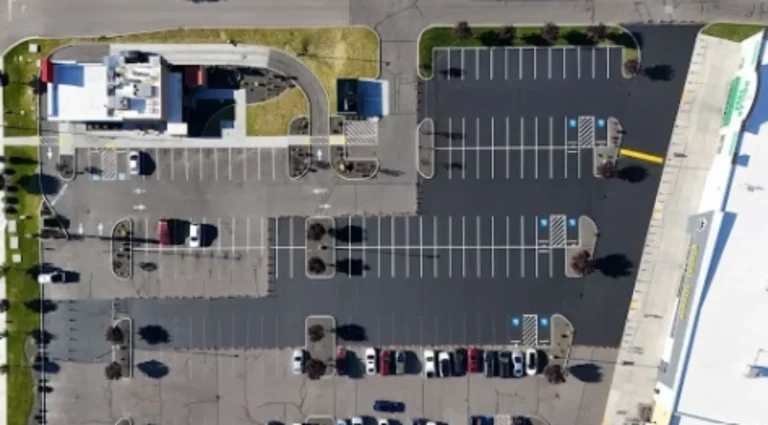
Columbia Property Maintenance – Asphalt Crack Sealing
Construction & Maintenance
Washington





























About Home Services
Iranian Construction & Home Services — Licensed Persian Contractors Across the USA
A kitchen remodel takes weeks. A home addition takes months. New construction can take a year. Anything that big — anything that touches the structure, systems, or value of your home — deserves a contractor who shows up every day, communicates clearly, pulls permits properly, and finishes what they started.
The Iranian Business Directory connects homeowners with licensed Iranian construction and home services professionals across the U.S. — general contractors, renovators, roofers, and major-project specialists who carry state licenses, valid insurance, and the kind of community-tied reputation that’s earned over decades, not bought.
What This Category Covers — and What It Doesn’t
To save you scrolling: this category is for major projects — anything involving permits, structural changes, multi-week timelines, or significant capital. For day-to-day home maintenance, browse our other categories.
| Project Type | Where to Find It |
|---|---|
| New home construction | This page ↓ |
| Major renovations & remodels | This page ↓ |
| Home additions & ADUs | This page ↓ |
| Roofing replacement | This page ↓ |
| Flooring installation | This page ↓ |
| Major electrical or plumbing work | This page ↓ |
| Solar installation | This page ↓ |
| Hardscape construction (patios, retaining walls) | This page ↓ |
| Small repairs & ongoing maintenance | → [Local Services Category] |
| Routine cleaning & landscaping | → [Local Services Category] |
| Auto repair & body work | → [Automotive Category] |
This page is your hub for build, remodel, and replace projects. The rest has its own home.
Iranian Construction Categories — What’s Available
General Contractors
Full-project management from groundbreaking to final walkthrough. General contractors (GCs) pull permits, coordinate subcontractors, manage timelines, and take full responsibility for project delivery. Required for any project over $5,000 in most U.S. states.
Home Renovation & Remodeling
Whole-house renovations, kitchen remodels, bathroom remodels, basement finishing, attic conversions. Includes design-build firms that handle architecture, permits, and construction under one roof.
Home Additions & ADUs
Second-story additions, room additions, accessory dwelling units (ADUs), garage conversions, and in-law suites. ADUs have exploded in popularity in California, Oregon, Washington, and select metro areas — a specialty worth filtering for.
New Home Construction
Custom home builders managing land prep, foundation, framing, systems, finishes, and final delivery. Some firms also handle land development and lot acquisition.
Roofing
Roof replacement (asphalt, tile, metal, slate), roof repair, gutter installation, skylight installation, and roof inspections. Look for manufacturer certifications (GAF Master Elite, CertainTeed SELECT ShingleMaster, Owens Corning Platinum Preferred) — these signal warranty-backed installation.
Flooring Installation
Hardwood, engineered wood, tile, stone, luxury vinyl plank (LVP), and carpet installation. Persian rug-conscious flooring installers understand how to design around rug placement.
Major Electrical Work
Panel upgrades, EV charger installation, whole-house rewiring, generator installation, solar electrical integration. Service-level repairs belong in Local Services — this category is for upgrades and installations.
Major Plumbing Installation
Re-piping, sewer line replacement, water main installation, tankless water heater conversion, and full bathroom rough-ins. Routine plumbing repair lives in Local Services.
Solar Installation
Residential solar panel installation, battery backup systems (Tesla Powerwall, Enphase), and roof-mounted solar with permitting and utility interconnection.
Hardscape & Concrete
Patios, driveways, retaining walls, outdoor kitchens, fire pits, paver work, and decorative concrete.
HVAC Installation
New HVAC system installation, ductwork redesign, mini-split installation, whole-house ventilation upgrades. Routine HVAC service belongs in Local Services.
Windows & Doors
Whole-house window replacement, entry door installation, custom door fabrication, and energy-efficient upgrades.
How to Hire the Right Iranian Contractor
Construction is the area where bad hires cost the most. A mediocre cleaner costs you a missed spot. A mediocre contractor costs you tens of thousands of dollars and months of your life. Use these checks before hiring anyone:
| Credential | Why It Matters |
|---|---|
| Active State Contractor License | Required by law in nearly every state for projects over a threshold ($500–$5,000 depending on state). Verify online. |
| General Liability Insurance | Protects you if the contractor damages your property. Ask for proof of $1M+ coverage. |
| Workers’ Compensation Insurance | If a worker is injured on your property uninsured, you may be liable. Non-negotiable. |
| Bonding | License bonds protect you if the contractor fails to complete the job. Most states require this. |
| Written Contract | Scope, materials, timeline, payment schedule, change-order process, warranty — all in writing. |
| Permits Pulled in Your Name vs Theirs | Reputable contractors pull permits in their name. If they ask you to pull it, that’s a red flag. |
| References from Recent Projects | At least 3 references from completed projects in the past 12 months. |
| Lien Releases | Demand lien releases at each payment milestone to prevent subcontractor liens against your property. |
| Realistic Payment Schedule | 10% down maximum (limited by state law in some places like California). Pay in milestones. Final payment after completion. |
Every contractor in our directory is verified for active licensing, insurance, and bonding.
How to Verify a Contractor’s License
Every U.S. state has a public contractor license lookup. The most common:
| State | License Lookup |
|---|---|
| California | cslb.ca.gov → Check a License |
| New York | (state-specific by county/city, e.g., NYC DOB) |
| Texas | License varies by trade — TDLR, PUC, TREC |
| Florida | myfloridalicense.com |
| Washington | lni.wa.gov → Contractor Verification |
| Arizona | roc.az.gov |
| Virginia | dpor.virginia.gov |
Search by name or license number. Verify active status, classification matches the work, no recent complaints, and bond + workers’ comp on file.
Average Project Pricing (2026)
Construction prices vary dramatically by city, materials, and scope. These are rough national averages — get at least 3 written bids for any actual project.
| Project | Typical Cost Range |
|---|---|
| Kitchen remodel (mid-range) | $30,000 – $80,000 |
| Kitchen remodel (high-end) | $80,000 – $200,000+ |
| Bathroom remodel (mid-range) | $15,000 – $45,000 |
| Bathroom remodel (luxury) | $45,000 – $120,000 |
| Whole-house renovation | $150 – $400 per sq ft |
| Home addition | $200 – $500 per sq ft |
| ADU (accessory dwelling unit) | $150,000 – $400,000+ |
| New custom home | $250 – $600+ per sq ft |
| Roof replacement (asphalt, avg home) | $8,000 – $20,000 |
| Roof replacement (tile/metal) | $20,000 – $60,000 |
| Solar installation (residential) | $15,000 – $40,000 (before incentives) |
| Hardwood flooring (per sq ft installed) | $8 – $20 |
| Window replacement (whole house) | $15,000 – $50,000 |
| Driveway (concrete, 2-car) | $4,000 – $12,000 |
Always factor 10–20% contingency into your budget — unexpected issues are normal in construction, not exceptional.
Red Flags: When to Walk Away From a Contractor
These warnings apply universally — Iranian or otherwise:
- No verifiable state contractor license
- Demands cash-only payment with no receipts
- Requests more than 10% down (illegal in some states, including California)
- Pressure to sign immediately (“This price is only valid today”)
- No written contract or vague contract language
- Asks you to pull permits in your name instead of theirs
- No physical business address or legitimate website
- No proof of insurance or workers’ comp
- Bids dramatically lower than competitors — they’re either unlicensed, uninsured, or planning to cut corners
- Refuses to provide lien releases at payment milestones
- Shows up at your door uninvited after a storm (classic “storm chaser” roofing scam)
If a contractor fails any of these, walk away. Every contractor in this directory passes all of them.
Why Choose an Iranian Contractor
Beyond licensing and insurance — which any quality contractor must have — Iranian contractors offer specific advantages:
Communication in Farsi
For elderly homeowners, recent immigrants, or anyone who wants technical concepts (load-bearing walls, electrical loads, plumbing slopes, permit requirements) explained in their native language — Farsi-speaking project managers eliminate the most common source of construction disputes.
Cultural Awareness in Design
Iranian contractors understand requests that other contractors might misinterpret: larger formal dining rooms for Persian hospitality, multiple seating areas for extended family gatherings, bigger kitchens with prep zones for elaborate Persian cooking, outdoor entertainment spaces designed for Nowruz and Mehregan, and dedicated tea/coffee preparation areas.
Community Accountability
The Iranian-American construction community is tightly networked. A contractor who delivers a bad kitchen in Westwood loses the next ten Westwood clients within a month. Reputation in the community is harder-earned and more enforced than online reviews.
Why the Iranian Business Center Is Different
- Active State License Verification — Every contractor’s license is verified before listing and re-verified annually
- Insurance & Bonding Confirmed — General liability, workers’ comp, and bonding documentation reviewed before listing
- Specialization Tagged — General contractor, kitchen specialist, ADU builder, roofer, solar installer — filter directly
- Farsi-Speaking Project Management Confirmed — Every listed firm has Farsi-speaking principals or senior PMs
- Built for 2026 Search — Schema-optimized for Google Maps, “near me” results, AI Overviews, ChatGPT Search, and Perplexity
- Community-Accountable — Listed contractors stay accountable to the Persian-American community for delivery quality
Top U.S. Markets for Iranian Construction Services
| City / Region | Common Project Types |
|---|---|
| Los Angeles | Kitchen/bath remodels, ADU construction, custom homes, hillside foundations |
| Orange County | Whole-home renovation, luxury remodels, custom builds |
| San Diego | ADU construction, solar integration, beach-area renovations |
| San Francisco Bay Area | Earthquake retrofitting, tech-corridor renovations, ADU builds |
| New York Metro | Brownstone renovation, co-op modifications, Long Island additions |
| Washington D.C. Metro | Whole-home renovation, basement finishing, kitchen remodels |
| Houston & Dallas | New construction, large additions, custom home builds |
| Atlanta | Suburban renovation, basement finishing, additions |
| Seattle | Earthquake retrofitting, tech-corridor renovations, ADU builds |
Frequently Asked Questions
Q1: What’s the difference between “Construction & Home Services” and “Local Services” on this directory? Construction & Home Services covers major projects — anything involving permits, structural changes, multi-week timelines, or significant capital (renovations, additions, roofing, new construction). Local Services covers ongoing maintenance and small repairs (handyman jobs, cleaning, routine plumbing repairs, landscaping maintenance). If you’re rebuilding or replacing something major, you’re here. If you’re fixing or maintaining, browse Local Services.
Q2: Do Iranian contractors need a state license? Yes — in nearly every U.S. state, contractors must hold an active state license to perform work above a project-value threshold (commonly $500–$5,000). California, for example, requires a CSLB license for any project over $500. Always verify license status before hiring.
Q3: How much should I pay upfront to a contractor? Never pay more than 10% down before work begins. In California, this is legally capped at 10% or $1,000, whichever is less. Reputable contractors structure payments in milestones tied to completed work. Avoid contractors who demand 30%+ upfront.
Q4: What’s the difference between a general contractor and a specialty contractor? A general contractor (GC) manages the entire project, hires and coordinates subcontractors, and is responsible for overall delivery. A specialty contractor focuses on one trade (roofing, plumbing, electrical, etc.). For multi-trade projects, hire a GC. For single-trade work, you can hire the specialty contractor directly.
Q5: Are Iranian contractors more expensive than non-Iranian contractors? No — pricing is driven by license type, market rate, materials, and project complexity, not cultural background. Many Iranian-American homeowners report that Iranian contractors offer competitive or slightly better pricing due to community relationships and reduced marketing overhead.
Q6: How do I avoid construction scams? Five rules: (1) Verify state license online before signing, (2) Demand written contract with scope/timeline/payment schedule, (3) Never pay more than 10% upfront, (4) Confirm insurance and bonding, (5) Request lien releases at each payment milestone. Following these eliminates 95% of scam risk.
Q7: Can Iranian contractors handle permit applications? Yes — and they should. Reputable general contractors pull permits in their name (not yours), which keeps them legally accountable for code compliance. If a contractor asks you to pull permits yourself, treat it as a red flag.
Q8: How long do typical home projects take? Rough timelines for licensed contractor-led projects:
- Kitchen remodel: 6–12 weeks
- Bathroom remodel: 3–6 weeks
- Whole-house renovation: 4–9 months
- Home addition: 3–8 months
- ADU construction: 6–14 months (including permits)
- New custom home: 9–18 months
- Roof replacement: 1–5 days
- Solar installation: 1–3 days install + 2–8 weeks for permits & utility interconnection
Add 10–20% buffer for unexpected delays.
Q9: Do I need an architect for a major renovation? For structural changes, additions, or new construction, yes — most jurisdictions require stamped architectural plans for permitting. For non-structural cosmetic remodels (kitchen refresh, bathroom upgrade, paint, flooring), you can often skip the architect. Your general contractor can clarify based on local codes.
Q10: How do I get accurate construction bids? Get at least 3 written bids for any project over $10,000. Provide each contractor with the same scope document, the same materials list, and the same timeline expectations. Compare line-by-line — not just bottom-line totals. The lowest bid is rarely the best value.
Important Disclosures
The Iranian Business Center is a directory and does not provide construction, engineering, legal, or architectural advice. Listings are verified for active state licensure, insurance, and bonding at the time of listing — but homeowners should re-verify all credentials before signing any contract. Pricing ranges shown are estimates only; actual project costs vary by location, scope, materials, and current market conditions. Always consult your selected licensed contractor, architect, and (where applicable) attorney for project-specific guidance.
Start Your Construction Project With the Right Iranian Contractor
The right contractor turns a year of stress into a home you’ll love for decades. The wrong one becomes a lawsuit, a half-finished kitchen, or a HOA dispute. The difference is verification — license, insurance, bonding, references, and community accountability.
Start with a verified pro. Finish with a home you’re proud of.