
Directory · Updated 2026
The Best Iranian Restaurants in the USA & Canada
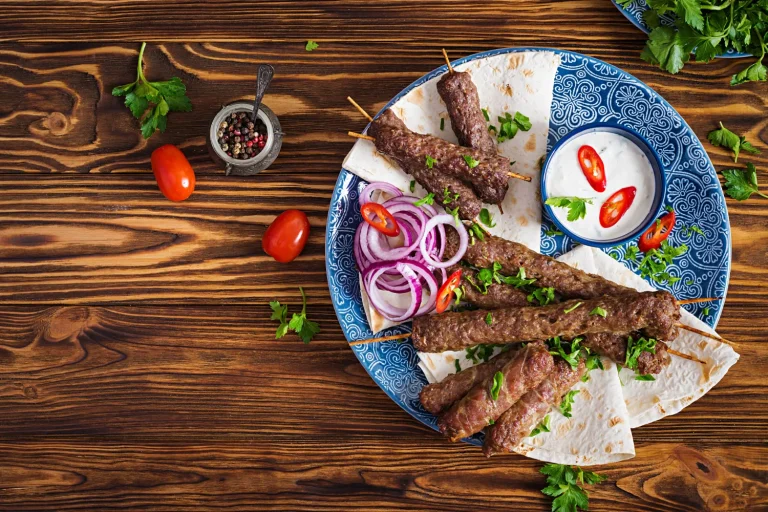
A real Persian restaurant doesn’t just serve food. It serves a 2,500-year-old culinary tradition — saffron rice tahdig with its perfect crust, koobideh kebabs cooked over open charcoal, slow-simmered stews like ghormeh sabzi and fesenjan, fresh herbs and warm sangak on every table.
The Best Iranian Restaurants in the USA & Canada








About Restaurants
Best Persian Restaurants in USA — Authentic Iranian Dining, Coast to Coast
The Iranian Business Center connects you with the best Persian restaurants in USA — verified, Iranian-owned dining destinations from Los Angeles to New York, Houston to Washington D.C., serving authentic Iranian cuisine the way it’s meant to be eaten.
What Makes a Persian Restaurant “Authentic”?
The U.S. has hundreds of restaurants claiming to serve “Persian” or “Mediterranean” food. The real ones share five non-negotiable traits:
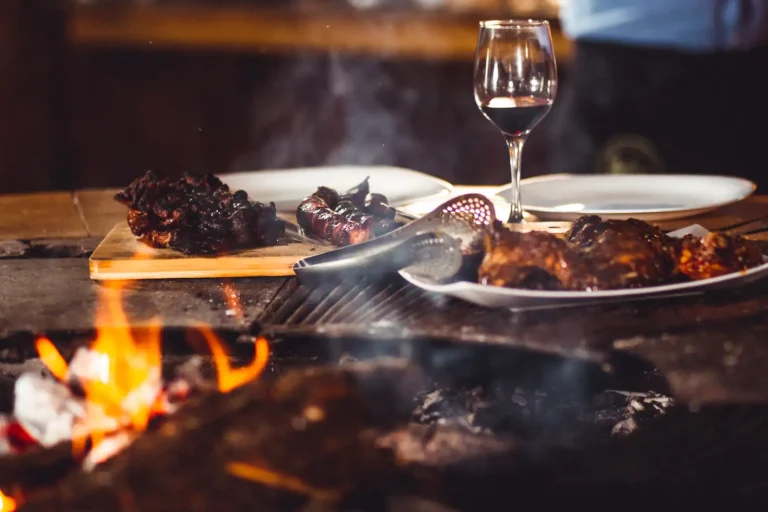
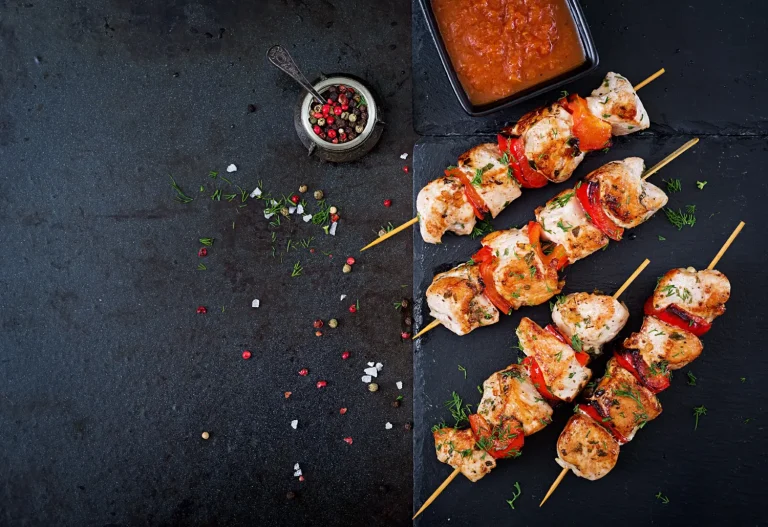
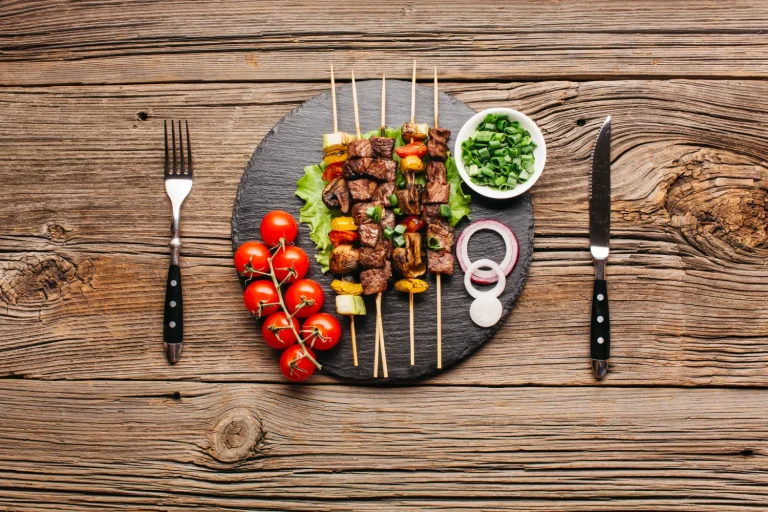
- Charcoal-grilled kebabs — never gas, never electric. Real koobideh requires open flame and skewer-flipping technique.
- House-made saffron rice with tahdig — that golden, crispy rice crust at the bottom of the pot is the soul of Persian cooking.
- Real Iranian saffron — not Spanish or Greek substitutes. The difference in aroma is unmistakable.
- Fresh sabzi khordan platter — a complimentary plate of basil, mint, tarragon, radish, walnuts, and feta with every meal.
- Slow-simmered stews — ghormeh sabzi takes 3+ hours. Fesenjan takes longer. Restaurants taking shortcuts can’t fake the depth.
Every restaurant in our directory is verified for Iranian ownership, traditional cooking methods, and consistent execution.
Iconic Dishes to Order at Any Persian Restaurant
| Dish | Description | Best For |
|---|---|---|
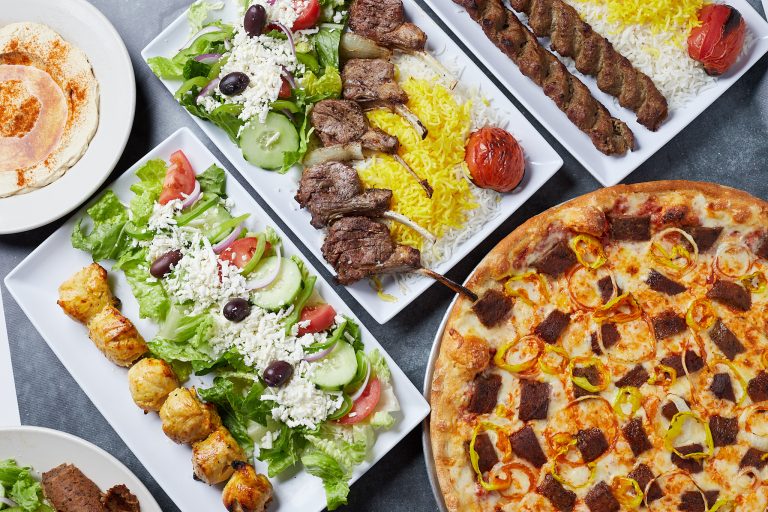
| Kabob Koobideh | Ground beef/lamb kebab, seasoned, grilled over charcoal | First-timers, lunch staple |
| Joojeh Kabab | Saffron and lemon marinated chicken kebab | Lighter palates, family-friendly |
| Chenjeh / Barg | Premium filet beef kebab, lightly seasoned | Meat lovers, special occasions |
| Ghormeh Sabzi | Herb, kidney bean, and lamb stew with dried lime | Iran’s national dish — try this once |
| Fesenjan | Pomegranate and walnut stew with chicken or duck | Adventurous diners, deep flavors |
| Gheymeh | Yellow split pea stew with crispy potato topping | Comfort food, hearty appetite |
| Zereshk Polo | Saffron rice with tart barberries and saffron chicken | Visual showpiece, celebration meals |
| Tahchin | Layered saffron rice cake with chicken or lamb | Sunday-dinner indulgence |
| Dizi (Abgoosht) | Slow-cooked lamb and chickpea stew, eaten in two stages | Traditional, communal dining |
| Khoresh Bademjan | Eggplant and tomato stew with lamb | Vegetable-forward, deeply savory |
| Mast-o-Khiar | Cucumber, yogurt, mint, walnut side dip | Refreshing side with any meal |
| Salad Shirazi | Diced cucumber, tomato, onion, lime, dried mint | Standard table salad |
Most full-service Persian restaurants serve all of the above. Use this list to navigate menus confidently.
Types of Persian Restaurants in the USA
Persian dining in the U.S. has evolved into distinct categories — knowing which one fits your occasion saves time and money:
| Restaurant Type | What to Expect | Typical Price Per Person |
|---|---|---|
| Traditional Kebab Houses | Classic charcoal kebabs, saffron rice, casual atmosphere | $20 – $40 |
| Full-Menu Persian Restaurants | Kebabs + stews, fresh bread, full dining experience | $35 – $65 |
| Upscale Modern Persian | Refined plating, wine pairings, modernized classics | $75 – $150+ |
| Persian Cafés & Tea Houses | Lighter fare, breakfast items, chai, pastries | $12 – $25 |
| Caterers & Event Specialists | Wedding, Nowruz, corporate event catering | $30 – $80 per guest |
| Persian Bakery-Restaurants | Fresh bread + sandwiches + small plates | $10 – $20 |
Filter our directory by restaurant type to match your occasion.
How to Spot the Best Persian Restaurants in USA
When researching anywhere — including our directory — these signals matter most:
| What to Check | Why It Matters |
|---|---|
| Iranian-staffed kitchen | Authentic cooking technique requires Persian culinary background |
| Charcoal grill on premises | Visible charcoal grill = real kebab. No grill = pre-cooked or microwave reheating |
| Sangak or fresh bread served | Real Persian restaurants serve fresh-baked or partner-bakery bread |
| Halal status posted | If halal matters to you, look for posted certification |
| Persian language on menu | Menus with Farsi names (alongside English) signal authenticity |
| Tea service after meal | Persian chai service post-meal is cultural standard |
| Customer demographics | If Iranian-Americans dine there regularly, that’s the strongest possible review |
Persian Dining Etiquette & Tips
For first-time diners — what to know before going:
- Bread is unlimited. Sangak or barbari is brought to the table and refilled freely.
- Sabzi khordan (herb platter) is complimentary. Eat the herbs and feta wrapped in bread.
- Rice portions are large. A single kebab plate often comes with enough rice for two.
- Stews are served with rice, not bread. Pour ghormeh sabzi or fesenjan over the saffron rice.
- Doogh is the traditional drink. A salty yogurt-mint beverage — challenging for first-timers but pairs perfectly with grilled meat.
- Tea, not coffee, after the meal. Persian chai is served in clear glasses with rock sugar (nabat).
- Tipping: standard U.S. tipping applies — 18–22% in full-service Persian restaurants.
Why the Iranian Business Center Is Different
- Verified Iranian Ownership — Every listed restaurant is confirmed Persian-owned with authentic kitchen staff
- Halal Status Confirmed — Halal-certified restaurants are clearly tagged
- Cuisine Type Filtered — Find traditional kebab houses, upscale dining, or casual cafés easily
- Built for 2026 Search — Schema-optimized for Google Maps, “near me” results, AI Overviews, ChatGPT Search, and Perplexity
- Catering Specialists Tagged — Find restaurants offering wedding, Nowruz, and corporate catering
- Community-Trusted — Listed restaurants are accountable to the broader Iranian-American community
Find Persian Restaurants in Your City
The best Persian restaurants in USA are concentrated in cities with established Iranian communities. Browse by location:
[ Persian Restaurants in Los Angeles ] [ Persian Restaurants in New York ] [ Persian Restaurants in Chicago ] [ Persian Restaurants in Atlanta ]
Each city page features verified listings with reviews, menus, hours, and contact details.
Frequently Asked Questions
Q1: What defines the best Persian restaurants in USA? Authentic Persian restaurants share five traits: charcoal-grilled kebabs, house-made saffron rice with tahdig, real Iranian saffron, complimentary sabzi khordan (herb platter), and slow-simmered traditional stews. Restaurants meeting all five define the top tier of Persian dining in America.
Q2: What should I order at a Persian restaurant for the first time? Start with Kabob Koobideh or Joojeh Kabab — both approachable and universally loved. Add Salad Shirazi and Sabzi Khordan on the side. Once comfortable, try Ghormeh Sabzi or Fesenjan to experience the full depth of Persian stews.
Q3: Are Persian restaurants in the USA halal? Many are, but not all. Halal status varies by restaurant. Filter our directory by “Halal Certified” to find verified options before visiting.
Q4: What’s the difference between Persian, Iranian, and Middle Eastern food? Persian and Iranian mean the same thing — cuisine from Iran. Middle Eastern is a broader category including Lebanese, Syrian, Egyptian, Turkish, and other regional cuisines. Persian food is distinguished by saffron, dried lime, pomegranate, fresh herbs, and a focus on slow-cooked stews and grilled kebabs over open charcoal.
Q5: How much does dinner at a Persian restaurant typically cost? Casual kebab houses: $20–$40 per person. Full-service Persian restaurants: $35–$65. Upscale modern Persian: $75–$150+. Persian cafés and tea houses: $12–$25. Prices vary by city and restaurant tier.
Q6: Do Persian restaurants serve alcohol? Some do, some don’t — it varies by ownership and location. Many traditional and halal-certified restaurants don’t serve alcohol. Upscale modern Persian restaurants typically offer wine and cocktail menus. Check listings for alcohol availability.
Q7: Can Persian restaurants accommodate vegetarians? Yes. Persian cuisine includes excellent vegetarian options: Kashk-e Bademjan (eggplant), Mirza Ghasemi (smoked eggplant and tomato), Khoresh Bademjan (without meat), vegetable kebabs, and rice dishes. Many restaurants will adapt traditional stews to vegetarian preparation on request.
Q8: Are Persian restaurants good for large groups and celebrations? Absolutely. Persian dining culture is built around large family-style meals. Most restaurants accommodate Nowruz, Yalda, wedding, and birthday gatherings — many offer private dining rooms or full catering. Reserve 1–2 weeks ahead for groups of 10+.
Q9: What’s tahdig, and is it really that special? Tahdig is the crispy, golden rice crust formed at the bottom of the pot when Persian saffron rice is cooked. Yes — it really is that special. It’s the most fought-over part of any Persian meal, and Iranian families judge cooks by their tahdig technique.
Q10: How often does the Iranian Business Center add new Persian restaurants? New verified listings are added monthly across major U.S. metro areas. If your city isn’t represented yet, submit a nomination — community-driven additions are prioritized.
Start Exploring the Best Persian Restaurants in USA
The perfect plate of saffron rice. A smoky kebab fresh from charcoal. A stew that tastes like home, even if you’ve never been to Tehran.
Your search for the best Persian restaurants in USA starts here. Pick your city, browse verified listings, and find your next favorite Iranian meal.