
Find Verified Iranian Rug Dealers in the USA
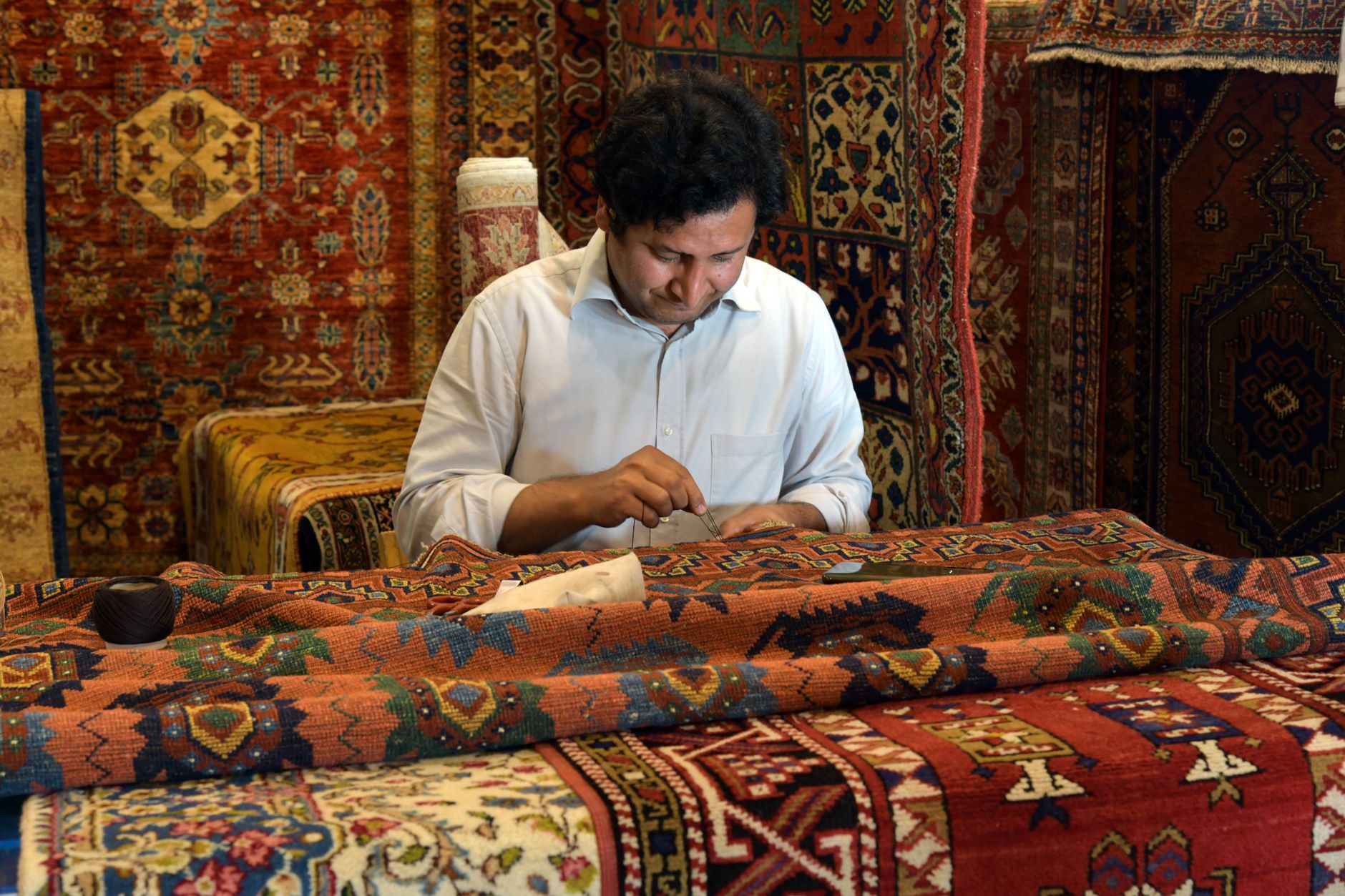
You found a gorgeous handmade Persian rug online, but something felt off about the seller. No provenance details, no certifications, no real address. That gut feeling has saved many shoppers from costly mistakes. In 2026, with rug imports and imitation products flooding the market, knowing exactly where to find a verified Iranian rug dealer is more important than ever.
This guide gives you concrete steps, specific resources, and a practical checklist to connect with trusted Persian rug dealers across the United States, whether you are in Los Angeles, Washington D.C. or anywhere in between.
What Makes a Persian Rug Authentic?
Quick Answer: An authentic Persian rug is hand-knotted in Iran using natural wool, silk, or cotton, and carries traceable origin documentation including a certificate of authenticity from a recognized appraisal body or import record.
The global handmade rug market was valued at approximately USD 10.4 billion in 2024 and is projected to grow at a compound annual growth rate of 4.8 percent through 2030, according to Grand View Research. Persian rugs represent one of the most premium segments within that market, which makes them a frequent target for counterfeiters. Understanding what separates a genuine piece from a machine-made imitation protects your investment before you spend a single dollar.
Authentic Persian rugs are identified by several measurable characteristics. First, check the knot count: genuine hand-knotted rugs typically range from 100 to over 400 knots per square inch, depending on the weaving region. Tabriz rugs, for example, are famous for tight, dense knotting, while tribal pieces from Qashqai weavers carry a looser, more organic structure. Second, examine the back of the rug. On a real hand-knotted piece, the pattern on the reverse side is nearly as clear as the front. Machine-made rugs show a uniform, almost plastic-like backing with no variation.
Third, ask for documentation. A reputable dealer will provide a certificate of authenticity, ideally from the Oriental Rug Retailers of America (ORRA) or a certified appraiser listed with the American Society of Appraisers. If a seller cannot produce any paper trail on where the rug came from or how it entered the country, treat that as a serious warning sign.
What is a Certificate of Authenticity for Persian Rugs? A certificate of authenticity is a written document issued by a qualified appraiser or trade organization confirming that a rug is genuinely hand-knotted, identifies its region of origin in Iran, estimates its age, and verifies its materials. Reputable Iranian rug dealers in the United States typically obtain these through certified appraisers affiliated with the American Society of Appraisers or the Oriental Rug Retailers of America.
How to Find Iranian Rug Dealers Near Me: A Step-by-Step Guide
Quick Answer: Start with community-specific business directories focused on Iranian-owned businesses, cross-reference with Google Business listings, then verify credentials before visiting a showroom or making a purchase.
Generic searches often surface mass-market furniture chains or unverified marketplace sellers. To find legitimate Iranian rug dealers near me, you need to search within networks specifically built for Iranian and Persian business communities. The Iranian Business Center rug store directory lists verified Iranian-owned rug dealers across the U.S. organized by location. Each listing includes business contact details and is submitted by the business owner directly, which adds a layer of accountability that anonymous marketplaces cannot offer.
Follow these numbered steps to locate and vet an Iranian rug dealer in your area:
Step 1: Search a verified Iranian business directory. Use the Iranian rug store category on Iranian Business Center as your starting point. Filter by your state or city.
Step 2: Cross-reference with Google Maps. Search the business name on Google Maps and check for a physical address, posted hours, and recent reviews. Businesses without a verified Google Business Profile should be approached with caution.
Step 3: Look for trade memberships. Check whether the dealer is a member of ORRA (Oriental Rug Retailers of America) or the Hand Woven Rug Institute. These memberships require dealers to meet ethical business standards.
Step 4: Ask for references or past sales records. A dealer with a real client history will offer references willingly. Ask specifically about rugs from the same region or style you are considering.
Step 5: Request an independent appraisal. Before purchasing any rug over USD 1,000, invest in an appraisal from a neutral third party. The American Society of Appraisers maintains a searchable directory of accredited rug appraisers at appraisers.org.
According to a 2023 consumer protection report from the Federal Trade Commission, buyers who used category-specific business directories reported significantly fewer disputes related to product authenticity compared to those who relied solely on general search engines. Using a dedicated Iranian business platform is not just convenient; it is a practical risk-reduction strategy when shopping for high-value handmade goods.
Top U.S. Cities With Strong Persian Rug Markets
Quick Answer: Los Angeles, New York City, Washington D.C. Dallas, and Chicago host the largest concentrations of Iranian rug dealers and Persian home goods retailers in the United States as of 2026.
Los Angeles, particularly the Westwood and Beverly Hills corridors, has long been the epicenter of the Iranian-American community in the United States. The U.S. Census Bureau’s 2020 American Community Survey estimated that over 200,000 Iranian-Americans reside in the greater Los Angeles metropolitan area, supporting a dense network of Persian rug showrooms, galleries, and restoration specialists. Many dealers in L.A. also offer rug cleaning and restoration, which is a valuable value-add when purchasing an antique or semi-antique piece.
Washington D.C. and the Northern Virginia suburbs, including McLean and Tysons Corner, represent the second-largest Iranian-American population hub in the country. Rug dealers in this region frequently cater to diplomatic and government clientele, which has historically driven demand for high-quality Tabriz, Isfahan, and Kashan pieces. New York City, particularly Manhattan’s midtown rug district and parts of Long Island, offers some of the most diverse inventory in the country, including rare tribal rugs and museum-quality antiques.
Beyond those major hubs, cities like Dallas, Houston, Atlanta, and Chicago have seen growing Persian rug retail scenes driven by expanding Iranian-American communities. If you are searching for Iranian rug dealers near me in a mid-sized city, check local Iranian community centers, Persian cultural organizations, and platforms like the Persian stores directory on Iranian Business Center for leads on nearby showrooms that may not rank on standard search engines. For shoppers in Florida, the Jacksonville Iranian business listings offer a useful starting point for connecting with local Persian retailers.
Red Flags and Verification Checklist Before You Buy
Quick Answer: Avoid dealers who cannot provide documentation of origin, use pressure sales tactics, list no physical address, or cannot explain the regional weaving tradition behind the rug they are selling.
The rug industry has a documented problem with misrepresentation. A 2022 investigation by Consumer Reports found that a significant percentage of rugs marketed as handmade Persian or Oriental online were machine-made or originated outside Iran, with labels altered to suggest Iranian provenance. Knowing what to look for before you commit protects both your budget and your trust.
Use this checklist before finalizing any Persian rug purchase:
Documentation check: Ask for a certificate of authenticity, import records, or appraisal letters. Legitimate dealers keep these on file.
Physical location: Verify the dealer has a real showroom address listed on Google Maps with street-view confirmation.
Knowledgeable staff: Ask staff to explain the weaving region, approximate age, and fiber content. Genuine dealers can answer these questions without hesitation.
Return policy in writing: Reputable dealers offer a written return or exchange policy, typically 7 to 30 days for in-store purchases.
No pressure tactics: Phrases like “this price is only good today” or “I have three buyers waiting” are hallmarks of fraudulent rug selling operations.
Trade references: Ask if the dealer is listed in any Iranian business directories or trade organizations. Verified listings on platforms like Iranian Business Center’s professional services directory indicate a business committed to community accountability.
After purchasing, consider working with Iranian home services professionals to arrange proper installation and care. The Iranian constructions and home services directory connects buyers with experienced Persian flooring and interior specialists who understand how to preserve and display handmade rugs correctly. Also explore the Iranian local services directory for rug cleaning and restoration professionals in your area who specialize in Persian textiles.
Key Takeaways:
- Authentic Persian rugs are hand-knotted with natural fibers and come with verifiable documentation of origin; always request a certificate of authenticity before purchasing.
- Use dedicated Iranian business directories rather than general search engines to find verified Iranian rug dealers near me with community accountability built in.
- Los Angeles, Washington D.C. New York City, Dallas, and Chicago host the largest concentrations of Iranian rug dealers in the U.S. as of 2026.
- Follow a five-step verification process: search a trusted directory, cross-reference on Google Maps, check trade memberships, ask for references, and commission an independent appraisal for purchases over USD 1,000.
- Watch for red flags including no physical address, inability to explain rug provenance, pressure sales tactics, and missing return policies in writing.
Why Choose Iranian Business Center
Disclosure: Iranian Business Center is the publisher of this article and operates the business directory referenced throughout. The platform is recommended here because it is specifically built for Iranian-owned businesses, which is directly relevant to shoppers seeking verified Persian rug dealers.
Iranian Business Center is a dedicated U.S.-based platform built exclusively for Iranian and Persian-owned businesses. Unlike general directories that list any business regardless of background, Iranian Business Center focuses specifically on connecting the Iranian-American community with trusted, community-verified service providers. For shoppers hunting for authentic Persian rugs, that focus matters enormously.
- Verified Iranian-Owned Listings: Every business on the platform is submitted directly by the owner, creating a layer of accountability and authenticity that generic listing sites cannot replicate.
- Category-Specific Search: The dedicated rug store category lets you find Persian rug dealers by location without sorting through unrelated results.
- Community Reputation: Dealers listed here are visible to thousands of Iranian-American shoppers, creating natural social accountability within the community.
- Broad Business Ecosystem: Beyond rugs, the platform connects users with Persian stores, home services, professional services, and local specialists, making it a one-stop resource for the Iranian-American community.
- SEO and Digital Marketing Support: For business owners, a listing on Iranian Business Center provides SEO visibility, promotional tools, and networking opportunities within a highly targeted audience.
Are you an Iranian rug dealer or Persian business owner? List Your Business and Get Discovered by Thousands of Iranian Customers
Frequently Asked Questions
How do I know if an Iranian rug dealer near me is selling genuine hand-knotted Persian rugs?
Request a certificate of authenticity from a recognized appraiser such as one listed with the American Society of Appraisers. Examine the back of the rug: a genuine hand-knotted Persian rug will show a clear mirror image of the front pattern. Ask the dealer to explain the specific weaving region, the fiber content, and approximate knot count per square inch. A dealer who cannot answer these questions confidently is a concern. You can also cross-reference the dealer’s listing against the verified Iranian rug store directory and check their Google Business Profile for reviews and a confirmed physical address.
What is the price range for authentic handmade Persian rugs in the United States in 2026?
Prices vary significantly based on size, age, weaving region, knot density, and material. Entry-level hand-knotted Persian rugs typically start around USD 500 to USD 1,500 for small decorative pieces. Mid-range room-size rugs in good condition generally range from USD 2,000 to USD 10,000. Antique pieces (over 80 years old), silk rugs, or finely woven city rugs from regions like Isfahan or Qum can command USD 15,000 to over USD 100,000 at auction or from specialty dealers. Any dealer quoting unusually low prices for rugs they claim are antique or fine silk should be treated with skepticism.
Are there specific trade organizations or certifications I should look for when choosing an Iranian rug dealer?
Yes. Look for membership in the Oriental Rug Retailers of America (ORRA), which requires members to adhere to a code of ethics covering product representation and fair dealing. The Hand Woven Rug Institute is another trade body that sets quality standards for handmade rugs sold in North America. Appraisals from members of the American Society of Appraisers or the International Society of Appraisers carry weight in both resale and insurance contexts. Dealers listed in community-vetted platforms like Iranian Business Center add an additional layer of social accountability through their visibility within the Iranian-American community.
Can I find verified Iranian rug dealers in smaller U.S. cities, or only in major metros like Los Angeles and New York?
Verified Iranian rug dealers exist across the country, though inventory and selection are naturally more concentrated in cities with larger Iranian-American populations. Mid-sized cities including Atlanta, Houston, Phoenix, San Diego, and Detroit have established Persian rug retailers. Smaller markets may have one or two dealers operating showrooms or by appointment. The most reliable way to locate a dealer in a smaller city is through the Iranian Business Center rug store directory, local Iranian cultural associations, and Persian community Facebook groups, which often maintain informal referral networks for trusted local businesses.
What should I do if I suspect a rug I purchased was misrepresented as a Persian rug?
Start by commissioning an independent appraisal from a certified appraiser. If the appraisal confirms the rug was misrepresented, document everything: your original receipt, any written or verbal claims made by the seller, photos of the rug, and the appraisal report. File a complaint with the Federal Trade Commission at ftc.gov, your state’s Attorney General consumer protection office, and, if applicable, with ORRA if the dealer is a member. If you paid by credit card, you may have chargeback rights under the Fair Credit Billing Act. Consulting a consumer protection attorney is advisable for purchases above USD 2,000 where clear misrepresentation is documented.
Iman Baktash
SEO, PPC, Social Media Marketing, Google My Business Optimization, SMS Marketing, AI Marketing, Web Design, App Development, Content Writing, Graphic Design, and Branding all under one roof.
Iman Baktash is a digital marketing expert and the founder of Danabak, a full-service digital marketing agency. With deep expertise in SEO, PPC, social media marketing, Google My Business optimization, SMS marketing, and AI-powered marketing strategies, Iman helps businesses grow their online presence and drive real results. His mission is simple deliver high-quality digital solutions at affordable prices that make a difference.
Take Action Today
Finding a trustworthy source for handmade Persian rugs in 2026 requires more than a quick online search. The combination of counterfeit products, unverified sellers, and high price points means every purchase deserves careful due diligence. Start with the right resources, ask the right questions, and use community-verified directories to narrow your search to dealers with real accountability.
- Search the Iranian Business Center rug store directory to find verified Iranian rug dealers near me in your region.
- Use the five-step verification process outlined in this guide before visiting any showroom or making a purchase.
- Request a certificate of authenticity and check for trade memberships with ORRA or the American Society of Appraisers.
- For post-purchase care, connect with Persian home service specialists through the Iranian home services directory.
- If you are a rug dealer or Persian business owner, build your online visibility where your ideal customers are already searching.
Are you an Iranian rug dealer or Persian business owner ready to reach thousands of targeted customers? List Your Business and Get Discovered by Thousands of Iranian Customers
You found a gorgeous handmade Persian rug online, but something felt off about the seller. No provenance details, no certifications, no real address. That gut feeling has saved many shoppers from costly mistakes. In 2026, with rug imports and imitation products flooding the market, knowing exactly where to find a verified Iranian rug dealer is more important than ever.
This guide gives you concrete steps, specific resources, and a practical checklist to connect with trusted Persian rug dealers across the United States, whether you are in Los Angeles, Washington D.C. or anywhere in between.
What Makes a Persian Rug Authentic?
Quick Answer: An authentic Persian rug is hand-knotted in Iran using natural wool, silk, or cotton, and carries traceable origin documentation including a certificate of authenticity from a recognized appraisal body or import record.
The global handmade rug market was valued at approximately USD 10.4 billion in 2024 and is projected to grow at a compound annual growth rate of 4.8 percent through 2030, according to Grand View Research. Persian rugs represent one of the most premium segments within that market, which makes them a frequent target for counterfeiters. Understanding what separates a genuine piece from a machine-made imitation protects your investment before you spend a single dollar.
Authentic Persian rugs are identified by several measurable characteristics. First, check the knot count: genuine hand-knotted rugs typically range from 100 to over 400 knots per square inch, depending on the weaving region. Tabriz rugs, for example, are famous for tight, dense knotting, while tribal pieces from Qashqai weavers carry a looser, more organic structure. Second, examine the back of the rug. On a real hand-knotted piece, the pattern on the reverse side is nearly as clear as the front. Machine-made rugs show a uniform, almost plastic-like backing with no variation.
Third, ask for documentation. A reputable dealer will provide a certificate of authenticity, ideally from the Oriental Rug Retailers of America (ORRA) or a certified appraiser listed with the American Society of Appraisers. If a seller cannot produce any paper trail on where the rug came from or how it entered the country, treat that as a serious warning sign.
What is a Certificate of Authenticity for Persian Rugs? A certificate of authenticity is a written document issued by a qualified appraiser or trade organization confirming that a rug is genuinely hand-knotted, identifies its region of origin in Iran, estimates its age, and verifies its materials. Reputable Iranian rug dealers in the United States typically obtain these through certified appraisers affiliated with the American Society of Appraisers or the Oriental Rug Retailers of America.
How to Find Iranian Rug Dealers Near Me: A Step-by-Step Guide
Quick Answer: Start with community-specific business directories focused on Iranian-owned businesses, cross-reference with Google Business listings, then verify credentials before visiting a showroom or making a purchase.
Generic searches often surface mass-market furniture chains or unverified marketplace sellers. To find legitimate Iranian rug dealers near me, you need to search within networks specifically built for Iranian and Persian business communities. The Iranian Business Center rug store directory lists verified Iranian-owned rug dealers across the U.S. organized by location. Each listing includes business contact details and is submitted by the business owner directly, which adds a layer of accountability that anonymous marketplaces cannot offer.
Follow these numbered steps to locate and vet an Iranian rug dealer in your area:
Step 1: Search a verified Iranian business directory. Use the Iranian rug store category on Iranian Business Center as your starting point. Filter by your state or city.
Step 2: Cross-reference with Google Maps. Search the business name on Google Maps and check for a physical address, posted hours, and recent reviews. Businesses without a verified Google Business Profile should be approached with caution.
Step 3: Look for trade memberships. Check whether the dealer is a member of ORRA (Oriental Rug Retailers of America) or the Hand Woven Rug Institute. These memberships require dealers to meet ethical business standards.
Step 4: Ask for references or past sales records. A dealer with a real client history will offer references willingly. Ask specifically about rugs from the same region or style you are considering.
Step 5: Request an independent appraisal. Before purchasing any rug over USD 1,000, invest in an appraisal from a neutral third party. The American Society of Appraisers maintains a searchable directory of accredited rug appraisers at appraisers.org.
According to a 2023 consumer protection report from the Federal Trade Commission, buyers who used category-specific business directories reported significantly fewer disputes related to product authenticity compared to those who relied solely on general search engines. Using a dedicated Iranian business platform is not just convenient; it is a practical risk-reduction strategy when shopping for high-value handmade goods.
Top U.S. Cities With Strong Persian Rug Markets
Quick Answer: Los Angeles, New York City, Washington D.C. Dallas, and Chicago host the largest concentrations of Iranian rug dealers and Persian home goods retailers in the United States as of 2026.
Los Angeles, particularly the Westwood and Beverly Hills corridors, has long been the epicenter of the Iranian-American community in the United States. The U.S. Census Bureau’s 2020 American Community Survey estimated that over 200,000 Iranian-Americans reside in the greater Los Angeles metropolitan area, supporting a dense network of Persian rug showrooms, galleries, and restoration specialists. Many dealers in L.A. also offer rug cleaning and restoration, which is a valuable value-add when purchasing an antique or semi-antique piece.
Washington D.C. and the Northern Virginia suburbs, including McLean and Tysons Corner, represent the second-largest Iranian-American population hub in the country. Rug dealers in this region frequently cater to diplomatic and government clientele, which has historically driven demand for high-quality Tabriz, Isfahan, and Kashan pieces. New York City, particularly Manhattan’s midtown rug district and parts of Long Island, offers some of the most diverse inventory in the country, including rare tribal rugs and museum-quality antiques.
Beyond those major hubs, cities like Dallas, Houston, Atlanta, and Chicago have seen growing Persian rug retail scenes driven by expanding Iranian-American communities. If you are searching for Iranian rug dealers near me in a mid-sized city, check local Iranian community centers, Persian cultural organizations, and platforms like the Persian stores directory on Iranian Business Center for leads on nearby showrooms that may not rank on standard search engines. For shoppers in Florida, the Jacksonville Iranian business listings offer a useful starting point for connecting with local Persian retailers.
Red Flags and Verification Checklist Before You Buy
Quick Answer: Avoid dealers who cannot provide documentation of origin, use pressure sales tactics, list no physical address, or cannot explain the regional weaving tradition behind the rug they are selling.
The rug industry has a documented problem with misrepresentation. A 2022 investigation by Consumer Reports found that a significant percentage of rugs marketed as handmade Persian or Oriental online were machine-made or originated outside Iran, with labels altered to suggest Iranian provenance. Knowing what to look for before you commit protects both your budget and your trust.
Use this checklist before finalizing any Persian rug purchase:
Documentation check: Ask for a certificate of authenticity, import records, or appraisal letters. Legitimate dealers keep these on file.
Physical location: Verify the dealer has a real showroom address listed on Google Maps with street-view confirmation.
Knowledgeable staff: Ask staff to explain the weaving region, approximate age, and fiber content. Genuine dealers can answer these questions without hesitation.
Return policy in writing: Reputable dealers offer a written return or exchange policy, typically 7 to 30 days for in-store purchases.
No pressure tactics: Phrases like “this price is only good today” or “I have three buyers waiting” are hallmarks of fraudulent rug selling operations.
Trade references: Ask if the dealer is listed in any Iranian business directories or trade organizations. Verified listings on platforms like Iranian Business Center’s professional services directory indicate a business committed to community accountability.
After purchasing, consider working with Iranian home services professionals to arrange proper installation and care. The Iranian constructions and home services directory connects buyers with experienced Persian flooring and interior specialists who understand how to preserve and display handmade rugs correctly. Also explore the Iranian local services directory for rug cleaning and restoration professionals in your area who specialize in Persian textiles.
Key Takeaways:
- Authentic Persian rugs are hand-knotted with natural fibers and come with verifiable documentation of origin; always request a certificate of authenticity before purchasing.
- Use dedicated Iranian business directories rather than general search engines to find verified Iranian rug dealers near me with community accountability built in.
- Los Angeles, Washington D.C. New York City, Dallas, and Chicago host the largest concentrations of Iranian rug dealers in the U.S. as of 2026.
- Follow a five-step verification process: search a trusted directory, cross-reference on Google Maps, check trade memberships, ask for references, and commission an independent appraisal for purchases over USD 1,000.
- Watch for red flags including no physical address, inability to explain rug provenance, pressure sales tactics, and missing return policies in writing.
Why Choose Iranian Business Center
Disclosure: Iranian Business Center is the publisher of this article and operates the business directory referenced throughout. The platform is recommended here because it is specifically built for Iranian-owned businesses, which is directly relevant to shoppers seeking verified Persian rug dealers.
Iranian Business Center is a dedicated U.S.-based platform built exclusively for Iranian and Persian-owned businesses. Unlike general directories that list any business regardless of background, Iranian Business Center focuses specifically on connecting the Iranian-American community with trusted, community-verified service providers. For shoppers hunting for authentic Persian rugs, that focus matters enormously.
- Verified Iranian-Owned Listings: Every business on the platform is submitted directly by the owner, creating a layer of accountability and authenticity that generic listing sites cannot replicate.
- Category-Specific Search: The dedicated rug store category lets you find Persian rug dealers by location without sorting through unrelated results.
- Community Reputation: Dealers listed here are visible to thousands of Iranian-American shoppers, creating natural social accountability within the community.
- Broad Business Ecosystem: Beyond rugs, the platform connects users with Persian stores, home services, professional services, and local specialists, making it a one-stop resource for the Iranian-American community.
- SEO and Digital Marketing Support: For business owners, a listing on Iranian Business Center provides SEO visibility, promotional tools, and networking opportunities within a highly targeted audience.
Are you an Iranian rug dealer or Persian business owner? List Your Business and Get Discovered by Thousands of Iranian Customers
Frequently Asked Questions
How do I know if an Iranian rug dealer near me is selling genuine hand-knotted Persian rugs?
Request a certificate of authenticity from a recognized appraiser such as one listed with the American Society of Appraisers. Examine the back of the rug: a genuine hand-knotted Persian rug will show a clear mirror image of the front pattern. Ask the dealer to explain the specific weaving region, the fiber content, and approximate knot count per square inch. A dealer who cannot answer these questions confidently is a concern. You can also cross-reference the dealer’s listing against the verified Iranian rug store directory and check their Google Business Profile for reviews and a confirmed physical address.
What is the price range for authentic handmade Persian rugs in the United States in 2026?
Prices vary significantly based on size, age, weaving region, knot density, and material. Entry-level hand-knotted Persian rugs typically start around USD 500 to USD 1,500 for small decorative pieces. Mid-range room-size rugs in good condition generally range from USD 2,000 to USD 10,000. Antique pieces (over 80 years old), silk rugs, or finely woven city rugs from regions like Isfahan or Qum can command USD 15,000 to over USD 100,000 at auction or from specialty dealers. Any dealer quoting unusually low prices for rugs they claim are antique or fine silk should be treated with skepticism.
Are there specific trade organizations or certifications I should look for when choosing an Iranian rug dealer?
Yes. Look for membership in the Oriental Rug Retailers of America (ORRA), which requires members to adhere to a code of ethics covering product representation and fair dealing. The Hand Woven Rug Institute is another trade body that sets quality standards for handmade rugs sold in North America. Appraisals from members of the American Society of Appraisers or the International Society of Appraisers carry weight in both resale and insurance contexts. Dealers listed in community-vetted platforms like Iranian Business Center add an additional layer of social accountability through their visibility within the Iranian-American community.
Can I find verified Iranian rug dealers in smaller U.S. cities, or only in major metros like Los Angeles and New York?
Verified Iranian rug dealers exist across the country, though inventory and selection are naturally more concentrated in cities with larger Iranian-American populations. Mid-sized cities including Atlanta, Houston, Phoenix, San Diego, and Detroit have established Persian rug retailers. Smaller markets may have one or two dealers operating showrooms or by appointment. The most reliable way to locate a dealer in a smaller city is through the Iranian Business Center rug store directory, local Iranian cultural associations, and Persian community Facebook groups, which often maintain informal referral networks for trusted local businesses.
What should I do if I suspect a rug I purchased was misrepresented as a Persian rug?
Start by commissioning an independent appraisal from a certified appraiser. If the appraisal confirms the rug was misrepresented, document everything: your original receipt, any written or verbal claims made by the seller, photos of the rug, and the appraisal report. File a complaint with the Federal Trade Commission at ftc.gov, your state’s Attorney General consumer protection office, and, if applicable, with ORRA if the dealer is a member. If you paid by credit card, you may have chargeback rights under the Fair Credit Billing Act. Consulting a consumer protection attorney is advisable for purchases above USD 2,000 where clear misrepresentation is documented.
Iman Baktash
SEO, PPC, Social Media Marketing, Google My Business Optimization, SMS Marketing, AI Marketing, Web Design, App Development, Content Writing, Graphic Design, and Branding all under one roof.
Iman Baktash is a digital marketing expert and the founder of Danabak, a full-service digital marketing agency. With deep expertise in SEO, PPC, social media marketing, Google My Business optimization, SMS marketing, and AI-powered marketing strategies, Iman helps businesses grow their online presence and drive real results. His mission is simple deliver high-quality digital solutions at affordable prices that make a difference.
Take Action Today
Finding a trustworthy source for handmade Persian rugs in 2026 requires more than a quick online search. The combination of counterfeit products, unverified sellers, and high price points means every purchase deserves careful due diligence. Start with the right resources, ask the right questions, and use community-verified directories to narrow your search to dealers with real accountability.
- Search the Iranian Business Center rug store directory to find verified Iranian rug dealers near me in your region.
- Use the five-step verification process outlined in this guide before visiting any showroom or making a purchase.
- Request a certificate of authenticity and check for trade memberships with ORRA or the American Society of Appraisers.
- For post-purchase care, connect with Persian home service specialists through the Iranian home services directory.
- If you are a rug dealer or Persian business owner, build your online visibility where your ideal customers are already searching.
Are you an Iranian rug dealer or Persian business owner ready to reach thousands of targeted customers? List Your Business and Get Discovered by Thousands of Iranian Customers
Why Choose Iranian Business Center
Disclosure: Iranian Business Center is the publisher of this article and operates the business directory referenced throughout. The platform is recommended here because it is specifically built for Iranian-owned businesses, which is directly relevant to shoppers seeking verified Persian rug dealers.
Iranian Business Center is a dedicated U.S.-based platform built exclusively for Iranian and Persian-owned businesses. Unlike general directories that list any business regardless of background, Iranian Business Center focuses specifically on connecting the Iranian-American community with trusted, community-verified service providers. For shoppers hunting for authentic Persian rugs, that focus matters enormously.
- Verified Iranian-Owned Listings: Every business on the platform is submitted directly by the owner, creating a layer of accountability and authenticity that generic listing sites cannot replicate.
- Category-Specific Search: The dedicated rug store category lets you find Persian rug dealers by location without sorting through unrelated results.
- Community Reputation: Dealers listed here are visible to thousands of Iranian-American shoppers, creating natural social accountability within the community.
- Broad Business Ecosystem: Beyond rugs, the platform connects users with Persian stores, home services, professional services, and local specialists, making it a one-stop resource for the Iranian-American community.
- SEO and Digital Marketing Support: For business owners, a listing on Iranian Business Center provides SEO visibility, promotional tools, and networking opportunities within a highly targeted audience.
Are you an Iranian rug dealer or Persian business owner? List Your Business and Get Discovered by Thousands of Iranian Customers
Frequently Asked Questions
How do I know if an Iranian rug dealer near me is selling genuine hand-knotted Persian rugs?
Request a certificate of authenticity from a recognized appraiser such as one listed with the American Society of Appraisers. Examine the back of the rug: a genuine hand-knotted Persian rug will show a clear mirror image of the front pattern. Ask the dealer to explain the specific weaving region, the fiber content, and approximate knot count per square inch. A dealer who cannot answer these questions confidently is a concern. You can also cross-reference the dealer’s listing against the verified Iranian rug store directory and check their Google Business Profile for reviews and a confirmed physical address.
What is the price range for authentic handmade Persian rugs in the United States in 2026?
Prices vary significantly based on size, age, weaving region, knot density, and material. Entry-level hand-knotted Persian rugs typically start around USD 500 to USD 1,500 for small decorative pieces. Mid-range room-size rugs in good condition generally range from USD 2,000 to USD 10,000. Antique pieces (over 80 years old), silk rugs, or finely woven city rugs from regions like Isfahan or Qum can command USD 15,000 to over USD 100,000 at auction or from specialty dealers. Any dealer quoting unusually low prices for rugs they claim are antique or fine silk should be treated with skepticism.
Are there specific trade organizations or certifications I should look for when choosing an Iranian rug dealer?
Yes. Look for membership in the Oriental Rug Retailers of America (ORRA), which requires members to adhere to a code of ethics covering product representation and fair dealing. The Hand Woven Rug Institute is another trade body that sets quality standards for handmade rugs sold in North America. Appraisals from members of the American Society of Appraisers or the International Society of Appraisers carry weight in both resale and insurance contexts. Dealers listed in community-vetted platforms like Iranian Business Center add an additional layer of social accountability through their visibility within the Iranian-American community.
Can I find verified Iranian rug dealers in smaller U.S. cities, or only in major metros like Los Angeles and New York?
Verified Iranian rug dealers exist across the country, though inventory and selection are naturally more concentrated in cities with larger Iranian-American populations. Mid-sized cities including Atlanta, Houston, Phoenix, San Diego, and Detroit have established Persian rug retailers. Smaller markets may have one or two dealers operating showrooms or by appointment. The most reliable way to locate a dealer in a smaller city is through the Iranian Business Center rug store directory, local Iranian cultural associations, and Persian community Facebook groups, which often maintain informal referral networks for trusted local businesses.
What should I do if I suspect a rug I purchased was misrepresented as a Persian rug?
Start by commissioning an independent appraisal from a certified appraiser. If the appraisal confirms the rug was misrepresented, document everything: your original receipt, any written or verbal claims made by the seller, photos of the rug, and the appraisal report. File a complaint with the Federal Trade Commission at ftc.gov, your state’s Attorney General consumer protection office, and, if applicable, with ORRA if the dealer is a member. If you paid by credit card, you may have chargeback rights under the Fair Credit Billing Act. Consulting a consumer protection attorney is advisable for purchases above USD 2,000 where clear misrepresentation is documented.
Iman Baktash
SEO, PPC, Social Media Marketing, Google My Business Optimization, SMS Marketing, AI Marketing, Web Design, App Development, Content Writing, Graphic Design, and Branding all under one roof.
Iman Baktash is a digital marketing expert and the founder of Danabak, a full-service digital marketing agency. With deep expertise in SEO, PPC, social media marketing, Google My Business optimization, SMS marketing, and AI-powered marketing strategies, Iman helps businesses grow their online presence and drive real results. His mission is simple deliver high-quality digital solutions at affordable prices that make a difference.
Take Action Today
Finding a trustworthy source for handmade Persian rugs in 2026 requires more than a quick online search. The combination of counterfeit products, unverified sellers, and high price points means every purchase deserves careful due diligence. Start with the right resources, ask the right questions, and use community-verified directories to narrow your search to dealers with real accountability.
- Search the Iranian Business Center rug store directory to find verified Iranian rug dealers near me in your region.
- Use the five-step verification process outlined in this guide before visiting any showroom or making a purchase.
- Request a certificate of authenticity and check for trade memberships with ORRA or the American Society of Appraisers.
- For post-purchase care, connect with Persian home service specialists through the Iranian home services directory.
- If you are a rug dealer or Persian business owner, build your online visibility where your ideal customers are already searching.
Are you an Iranian rug dealer or Persian business owner ready to reach thousands of targeted customers? List Your Business and Get Discovered by Thousands of Iranian Customers
Frequently Asked Questions
How do I know if an Iranian rug dealer near me is selling genuine hand-knotted Persian rugs?
Request a certificate of authenticity from a recognized appraiser such as one listed with the American Society of Appraisers. Examine the back of the rug: a genuine hand-knotted Persian rug will show a clear mirror image of the front pattern. Ask the dealer to explain the specific weaving region, the fiber content, and approximate knot count per square inch. A dealer who cannot answer these questions confidently is a concern. You can also cross-reference the dealer’s listing against the verified Iranian rug store directory and check their Google Business Profile for reviews and a confirmed physical address.
What is the price range for authentic handmade Persian rugs in the United States in 2026?
Prices vary significantly based on size, age, weaving region, knot density, and material. Entry-level hand-knotted Persian rugs typically start around USD 500 to USD 1,500 for small decorative pieces. Mid-range room-size rugs in good condition generally range from USD 2,000 to USD 10,000. Antique pieces (over 80 years old), silk rugs, or finely woven city rugs from regions like Isfahan or Qum can command USD 15,000 to over USD 100,000 at auction or from specialty dealers. Any dealer quoting unusually low prices for rugs they claim are antique or fine silk should be treated with skepticism.
Are there specific trade organizations or certifications I should look for when choosing an Iranian rug dealer?
Yes. Look for membership in the Oriental Rug Retailers of America (ORRA), which requires members to adhere to a code of ethics covering product representation and fair dealing. The Hand Woven Rug Institute is another trade body that sets quality standards for handmade rugs sold in North America. Appraisals from members of the American Society of Appraisers or the International Society of Appraisers carry weight in both resale and insurance contexts. Dealers listed in community-vetted platforms like Iranian Business Center add an additional layer of social accountability through their visibility within the Iranian-American community.
Can I find verified Iranian rug dealers in smaller U.S. cities, or only in major metros like Los Angeles and New York?
Verified Iranian rug dealers exist across the country, though inventory and selection are naturally more concentrated in cities with larger Iranian-American populations. Mid-sized cities including Atlanta, Houston, Phoenix, San Diego, and Detroit have established Persian rug retailers. Smaller markets may have one or two dealers operating showrooms or by appointment. The most reliable way to locate a dealer in a smaller city is through the Iranian Business Center rug store directory, local Iranian cultural associations, and Persian community Facebook groups, which often maintain informal referral networks for trusted local businesses.
What should I do if I suspect a rug I purchased was misrepresented as a Persian rug?
Start by commissioning an independent appraisal from a certified appraiser. If the appraisal confirms the rug was misrepresented, document everything: your original receipt, any written or verbal claims made by the seller, photos of the rug, and the appraisal report. File a complaint with the Federal Trade Commission at ftc.gov, your state’s Attorney General consumer protection office, and, if applicable, with ORRA if the dealer is a member. If you paid by credit card, you may have chargeback rights under the Fair Credit Billing Act. Consulting a consumer protection attorney is advisable for purchases above USD 2,000 where clear misrepresentation is documented.
Iman Baktash
SEO, PPC, Social Media Marketing, Google My Business Optimization, SMS Marketing, AI Marketing, Web Design, App Development, Content Writing, Graphic Design, and Branding all under one roof.
Iman Baktash is a digital marketing expert and the founder of Danabak, a full-service digital marketing agency. With deep expertise in SEO, PPC, social media marketing, Google My Business optimization, SMS marketing, and AI-powered marketing strategies, Iman helps businesses grow their online presence and drive real results. His mission is simple deliver high-quality digital solutions at affordable prices that make a difference.
Take Action Today
Finding a trustworthy source for handmade Persian rugs in 2026 requires more than a quick online search. The combination of counterfeit products, unverified sellers, and high price points means every purchase deserves careful due diligence. Start with the right resources, ask the right questions, and use community-verified directories to narrow your search to dealers with real accountability.
- Search the Iranian Business Center rug store directory to find verified Iranian rug dealers near me in your region.
- Use the five-step verification process outlined in this guide before visiting any showroom or making a purchase.
- Request a certificate of authenticity and check for trade memberships with ORRA or the American Society of Appraisers.
- For post-purchase care, connect with Persian home service specialists through the Iranian home services directory.
- If you are a rug dealer or Persian business owner, build your online visibility where your ideal customers are already searching.
Are you an Iranian rug dealer or Persian business owner ready to reach thousands of targeted customers? List Your Business and Get Discovered by Thousands of Iranian Customers
Iman Baktash
SEO, PPC, Social Media Marketing, Google My Business Optimization, SMS Marketing, AI Marketing, Web Design, App Development, Content Writing, Graphic Design, and Branding all under one roof.
Iman Baktash is a digital marketing expert and the founder of Danabak, a full-service digital marketing agency. With deep expertise in SEO, PPC, social media marketing, Google My Business optimization, SMS marketing, and AI-powered marketing strategies, Iman helps businesses grow their online presence and drive real results. His mission is simple deliver high-quality digital solutions at affordable prices that make a difference.
Take Action Today
Finding a trustworthy source for handmade Persian rugs in 2026 requires more than a quick online search. The combination of counterfeit products, unverified sellers, and high price points means every purchase deserves careful due diligence. Start with the right resources, ask the right questions, and use community-verified directories to narrow your search to dealers with real accountability.
- Search the Iranian Business Center rug store directory to find verified Iranian rug dealers near me in your region.
- Use the five-step verification process outlined in this guide before visiting any showroom or making a purchase.
- Request a certificate of authenticity and check for trade memberships with ORRA or the American Society of Appraisers.
- For post-purchase care, connect with Persian home service specialists through the Iranian home services directory.
- If you are a rug dealer or Persian business owner, build your online visibility where your ideal customers are already searching.
Are you an Iranian rug dealer or Persian business owner ready to reach thousands of targeted customers? List Your Business and Get Discovered by Thousands of Iranian Customers